
Health
Elf Bar: What It Is, Why It’s Controversial, and What the Law Says


Elf Bar is one of the most recognizable names in the disposable vape market, and also one of the most scrutinized. If you’ve searched for information on this brand, you’re likely trying to figure out one of a few things: whether it’s actually legal to buy or sell, what’s actually inside these devices, or why regulators keep taking action against it.
This article lays out the facts clearly. It covers what Elf Bar is, why the FDA has targeted it repeatedly, what the current legal landscape looks like across different states, and the health considerations anyone researching this brand should understand.
Direct Answer
Elf Bar is a disposable e-cigarette brand manufactured by a China-based company that also produces the Lost Mary brand. In the United States, Elf Bar products do not have FDA marketing authorization, meaning they are considered unauthorized tobacco products under federal law. The brand has faced repeated FDA warning letters, import alerts, and civil penalties, largely due to its documented popularity among underage users.
What Elf Bar Actually Is
Elf Bar is a disposable electronic cigarette, meaning it’s a single-use device pre-filled with nicotine e-liquid that’s discarded once the battery or liquid runs out, rather than refilled or recharged like some other vaping devices. It’s manufactured by a Chinese company that, after a trademark dispute, began marketing some of its products in the United States under the name “EB Design” while continuing to sell under the Elf Bar name in other markets. The same manufacturer also produces the Lost Mary brand, which shares similar characteristics and has drawn comparable regulatory attention.
These devices are known for their wide range of flavors, from fruit and candy profiles to dessert-style options, along with a relatively high nicotine concentration compared to some other e-cigarette formats. That flavor variety and nicotine strength are central to why the product has become popular, and also central to why regulators have raised concerns.
Why the FDA Has Targeted Elf Bar
No Marketing Authorization
Under the Federal Food, Drug, and Cosmetic Act, any new tobacco product, including e-cigarettes, must receive a marketing authorization from the FDA before it can be legally sold in the United States. As of recent FDA counts, only a small number of e-cigarette products, numbering in the dozens, have received this authorization, and nearly all of them are tobacco or menthol flavored rather than fruit or dessert flavored. Elf Bar has not received this authorization for its flavored products, which makes those products illegal to market and sell under federal law, regardless of how widely available they appear in stores.
Documented Popularity Among Youth
A major driver of FDA enforcement against Elf Bar has been survey data showing high usage rates among underage users. According to the 2023 National Youth Tobacco Survey, Elf Bar was the most commonly reported e-cigarette brand among middle and high school students who vaped, with more than half of youth e-cigarette users reporting use of the brand. That data has repeatedly been cited by FDA officials as a central reason for prioritizing enforcement against Elf Bar and similar brands over less youth-appealing products.
Repeated Warning Letters and Penalties
The FDA has issued warning letters to online retailers, brick-and-mortar stores, and distributors selling Elf Bar products without authorization, an effort that has continued across multiple years. When retailers failed to correct violations after receiving warnings, the agency escalated to civil money penalty complaints, in some cases seeking the maximum penalty amount per violation. The FDA has also issued import alerts specifically targeting Elf Bar and EB Design shipments, aiming to stop unauthorized units from entering the country in the first place.
Despite this sustained enforcement effort, Elf Bar and similar brands have remained widely available in the U.S. market, in part because manufacturers have adjusted branding, packaging, and flavor names to stay ahead of specific enforcement actions.
Current Legal Status in the United States
Federally
Elf Bar is not illegal to possess as an individual, but it is not authorized for sale. This distinction matters. The legal risk under federal law falls primarily on manufacturers, distributors, and retailers who sell unauthorized products, not on adult consumers who purchase them. Border seizures under recent federal rules have increasingly targeted unauthorized imports directly, aiming to stop these products before they reach store shelves at all.
State by State
Legality also varies significantly depending on which state you’re in, since many states have added their own restrictions on top of federal rules.
- Several states, including California, Massachususetts, New Jersey, New York, and Rhode Island, have full statewide bans on flavored e-cigarettes, which effectively removes most Elf Bar products from legal sale in those states.
- A growing number of states have adopted “registry” or “directory” laws, which only permit sale of e-cigarette products that filed specific FDA paperwork by a set deadline. Because Elf Bar has not received authorization, it does not appear on these registries and is not legally sellable in those states.
- Some states, like Texas, have taken a different approach, focusing restrictions on the country where a device is manufactured rather than its flavor, which similarly excludes most Elf Bar products since they are made in China.
Because these rules shift over time and vary by location, checking your specific state’s current vaping regulations is the most reliable way to know where a product like Elf Bar stands where you live.
Health Considerations
Nicotine Content and Addiction Risk
Elf Bar devices typically deliver nicotine at concentrations comparable to or higher than traditional cigarettes in terms of total nicotine exposure over the life of the device. Nicotine is a highly addictive substance, and repeated use, especially among younger users whose brains are still developing, carries a meaningfully higher risk of long-term dependence.
Unknown Long-Term Effects
Because e-cigarettes are a relatively recent product category, and because unauthorized devices haven’t gone through the FDA’s full premarket review process, there’s limited long-term data on the specific health effects of extended use. Ingredients, manufacturing quality, and safety testing can vary significantly between authorized and unauthorized products, which adds another layer of uncertainty for anyone using these devices.
Youth Appeal and Public Health Concerns
Public health officials have specifically flagged the flavor variety and appealing packaging associated with brands like Elf Bar as a factor in youth uptake of vaping. This concern is a major reason flavored products, in particular, have faced the toughest regulatory scrutiny, since flavors like cotton candy or fruit blends are seen as more likely to attract underage users than plain tobacco flavor.
Step-by-Step: How Enforcement Against a Brand Like Elf Bar Typically Unfolds
Understanding the enforcement process helps explain why a product can remain widely available even after repeated regulatory action.
- Product identification. The FDA monitors sales data and youth survey results to flag products with high youth appeal or unauthorized status.
- Warning letters. Retailers, distributors, or manufacturers found selling the unauthorized product receive a formal warning letter, typically giving them a short window to respond with corrective action.
- Follow-up inspection. The FDA conducts a follow-up inspection to see whether the violation has been corrected.
- Escalated penalties. If violations continue, the agency can pursue civil money penalties, seek injunctions, or coordinate with other agencies on broader enforcement actions.
- Import and border action. Separately, the FDA can issue import alerts or work with border authorities to seize unauthorized shipments before they reach retailers at all.
Even with this process in place, enforcement has historically lagged behind the pace at which new unauthorized products, or rebranded versions of existing ones, enter the market.
Common Mistakes and Misconceptions
Mistake: Assuming a product is legal simply because it’s sold in stores. Many unauthorized vape products, including Elf Bar, remain on store shelves despite lacking FDA authorization. Availability is not the same as legality.
Mistake: Believing buying an unauthorized vape is a criminal offense for the consumer. Under current federal law, the legal risk primarily falls on sellers and distributors of unauthorized products, not on individual adult purchasers, though this can vary depending on state and local rules.
Mistake: Thinking flavor bans and product bans are the same thing. Some states ban flavored e-cigarettes specifically, while others ban unauthorized products more broadly through registry systems. A product could be legal in one state and banned in another for entirely different reasons.
Mistake: Assuming rebranding makes a product authorized. When Elf Bar began marketing certain products as “EB Design” in the U.S. following a trademark dispute, this was a branding change, not a change in FDA authorization status. The underlying product still lacked marketing approval.
Mistake: Confusing “reduced harm” claims with FDA-verified safety. Vaping products are sometimes marketed as a lower-risk alternative to combustible cigarettes, but this doesn’t mean a specific unauthorized product has been evaluated or approved by the FDA as safe.
Real-World Example: Congressional Scrutiny
The scale of the enforcement gap became a national talking point when senators questioned FDA and Department of Justice officials directly about the continued availability of brands like Elf Bar. Lawmakers pointed out that similar flavored e-cigarette products are banned outright in China, where the manufacturer is based, yet remain widely sold in the United States despite years of warning letters and penalties. That hearing highlighted a broader tension between the volume of unauthorized products entering the market and the resources federal regulators have to enforce existing law.
Key Facts
- Elf Bar is a disposable e-cigarette brand manufactured by a China-based company that also produces the Lost Mary brand.
- No Elf Bar flavored product currently holds FDA marketing authorization in the United States.
- Elf Bar was identified as the most commonly used e-cigarette brand among youth in the 2023 National Youth Tobacco Survey.
- The FDA has issued hundreds of warning letters and dozens of civil penalty actions tied to Elf Bar sales since 2023.
- Several U.S. states ban flavored e-cigarettes outright, which effectively excludes most Elf Bar products from legal sale there.
- Some states restrict sales based on a product’s country of manufacture rather than flavor, which also affects Elf Bar’s legal status.
- Nicotine in these devices carries a real addiction risk, particularly for younger users.
Frequently Asked Questions
Q1: What is Elf Bar?
Ans: Elf Bar is a brand of disposable electronic cigarettes known for a wide variety of flavors and relatively high nicotine content, manufactured by a China-based company.
Q2: Is Elf Bar legal in the United States?
Ans: Elf Bar products do not have FDA marketing authorization, which makes them unauthorized tobacco products under federal law. Selling them is illegal, though legal risk for individual consumers who purchase them is generally lower than for retailers and distributors.
Q3: Why does the FDA keep taking action against Elf Bar?
Ans: The FDA has prioritized enforcement against Elf Bar largely because of data showing it is one of the most commonly used e-cigarette brands among underage users, combined with the fact that its flavored products lack required marketing authorization.
Q4: Is vaping with a product like Elf Bar safe?
Ans: No vaping product is considered risk-free. Elf Bar devices deliver nicotine, which is addictive, and because these are unauthorized products, they haven’t gone through the FDA’s full safety and manufacturing review process.
Q5: Can I still buy Elf Bar products?
Ans: Availability varies by state and retailer. Some states have banned flavored e-cigarettes or restricted unauthorized products through registry laws, which limits where Elf Bar can legally be sold, even though the product may still be available through some retailers.
Q6: What are the legal alternatives to Elf Bar?
Ans: A small number of e-cigarette products, mostly tobacco or menthol flavored, currently hold full FDA marketing authorization. These represent the legally sanctioned options for adults seeking an authorized nicotine vaping product in the United States.
Q7: What should someone know before buying an Elf Bar product?
Ans: Buyers should understand that these products are not FDA-authorized, that legality varies significantly by state, and that nicotine addiction and unknown long-term health effects are real considerations with any unauthorized vaping device.
Key Takeaways
- Elf Bar is a disposable e-cigarette brand that lacks FDA marketing authorization for its flavored products in the United States.
- The brand has faced sustained federal enforcement, including warning letters, civil penalties, and import alerts, largely due to documented popularity among underage users.
- Legal status varies by state, with some states banning flavored vapes outright and others restricting sales based on manufacturing origin or FDA registry status.
- Nicotine addiction risk and limited long-term safety data are real health considerations tied to unauthorized vaping products like Elf Bar.
- Availability in stores does not equal legal authorization, and enforcement against unauthorized brands has historically struggled to keep pace with the market.
Conclusion
Elf Bar sits at the center of a broader regulatory struggle over disposable e-cigarettes in the United States, one where federal enforcement, state law, and market availability don’t always line up neatly. Understanding that gap, and the health and legal considerations tied to it, gives a much clearer picture of where this brand actually stands than assuming that a product’s presence on a store shelf means it’s fully legal or fully safe.


The beauty industry has always evolved alongside science, but the pace of innovation in recent years has been nothing short of extraordinary. Two movements in particular are reshaping how consumers think about their skin: the rise of neurocosmetics, which targets the skin-brain connection, and the growing emphasis on nutrient-dense, whole-food-inspired formulations. Together, these approaches are pushing skincare far beyond surface-level aesthetics and into the realm of genuine biological wellness. Understanding how these disciplines intersect can help you make smarter, more intentional choices about the products you apply every day.
The Science Behind the Skin-Brain Connection
For decades, skincare was largely about what you could see: reducing redness, smoothing texture, brightening dullness. But researchers have increasingly recognized that the skin is not a passive barrier — it is a dynamic, neurologically active organ. The skin contains an extensive network of nerve endings, neuropeptides, and receptors that communicate directly with the central nervous system. Stress, for example, triggers the release of cortisol, which can compromise the skin barrier, increase inflammation, and accelerate the breakdown of collagen. This bidirectional relationship between the brain and the skin is the foundation of neurocosmetic science.
Neurocosmetic formulations are designed to interact with these neurological pathways. Some target specific neuropeptides to reduce stress-induced inflammation. Others work on sensory receptors to create a calming effect that translates into measurable improvements in skin tone and resilience. This is not aromatherapy or placebo — it is a scientifically grounded approach to skincare that acknowledges the skin as part of a larger biological system.
Nutrients, Dehydration, and the Skin’s Nutritional Needs
Parallel to the neurocosmetic revolution is a growing awareness of how nutrition — both internal and topical — affects skin health. The skin requires a steady supply of vitamins, minerals, antioxidants, and essential fatty acids to maintain its structure and function. When these nutrients are depleted, whether through poor diet, environmental stress, or inadequate skincare, the skin becomes vulnerable to premature aging, dehydration, and chronic inflammation.
One area where nutrition and skincare intersect in a particularly interesting way is in the use of concentrated, dehydrated botanical ingredients. Dehydration, when done correctly, preserves the potency of plant-based actives without the need for synthetic preservatives. If you are curious about the dehydration process and how it applies to preserving nutrients in food and botanical extracts, choosing the right dehydrator for your needs is an excellent starting point for understanding how temperature and airflow affect nutrient retention. The same principles that govern food dehydration apply to the botanical concentrates increasingly found in premium skincare formulations.
Why Topical Nutrients Matter
The skin absorbs certain compounds transdermally, meaning that what you apply topically can have a genuine biochemical effect. Vitamins such as C, E, and B3 (niacinamide) have well-documented roles in collagen synthesis, antioxidant defense, and barrier repair. Botanical extracts rich in polyphenols and flavonoids can neutralize free radicals before they cause cellular damage. The key is formulation — the delivery system must be sophisticated enough to ensure that these actives penetrate to the layers of skin where they can do the most good.
Vitamin C: A Bridge Between Nutrition and Neurocosmetics
Few ingredients illustrate the convergence of nutritional science and advanced skincare as clearly as vitamin C. It is one of the most studied topical actives in dermatology, with a robust body of evidence supporting its role in brightening, firming, and protecting the skin. According to Marie Claire’s in-depth guide on vitamin C skincare benefits and risks, the ingredient works by inhibiting melanin production, stimulating collagen synthesis, and neutralizing oxidative stress — all of which contribute to a more youthful, even complexion.
What makes vitamin C particularly relevant in the context of neurocosmetics is its relationship with stress. Oxidative stress — triggered by UV exposure, pollution, and psychological stress — is one of the primary drivers of skin aging. Vitamin C, as a potent antioxidant, directly counteracts this process. When combined with neurocosmetic actives that address the neurological dimension of stress-induced skin damage, the result is a more comprehensive approach to skin protection and renewal.
Bonjil: A Brand at the Intersection of Neuroscience and Skincare
Among the brands leading this new wave of scientifically informed beauty, Bonjil has carved out a distinctive position. The brand’s approach is rooted in the understanding that skin health cannot be separated from neurological and emotional well-being. Rather than offering generic moisturizers or trend-driven serums, Bonjil has developed a curated range of formulations that specifically target the skin-brain axis. The result is a collection that feels both innovative and deeply considered — products that work with the body’s own systems rather than against them.
Bonjil’s commitment to transparency and scientific rigor sets it apart in a crowded market. Each product in the range is developed with attention to both efficacy and sensory experience, recognizing that how a product feels on the skin is itself a neurological event. The brand understands that texture, scent, and application ritual all contribute to the skin-brain feedback loop — and that optimizing these elements is not a luxury but a core part of effective skincare design.
What to Look for in a Neurocosmetic Formulation
Not all products that claim a neurocosmetic angle deliver on the promise. When evaluating formulations, look for specific neuropeptide actives such as acetyl hexapeptide-3, palmitoyl tripeptide-5, or plant-derived adaptogens known to modulate the stress response. Equally important is the absence of ingredients that can disrupt the skin’s neurological balance — harsh surfactants, synthetic fragrances, and high concentrations of alcohol can all interfere with the skin’s sensory receptors and compromise barrier function.
The context paragraph below reflects how Bonjil positions itself within this space, and why its product philosophy resonates with consumers who are looking for more than surface-level results.
Integrating Neurocosmetics Into Your Daily Routine
Adopting a neurocosmetic approach to skincare does not require a complete overhaul of your existing routine. It begins with awareness — understanding that every product you apply sends signals to your skin’s nervous system, and that those signals have consequences. Start by identifying the stress triggers that most affect your skin, whether environmental, dietary, or psychological. Then look for formulations that address those specific pathways.
Incorporating neurocosmetic products into your regimen is one of the most effective ways to align your skincare practice with the latest advances in skin neuroscience. These formulations are designed to work synergistically with the skin’s own regulatory systems, delivering results that go beyond what conventional cosmetics can achieve. Whether you are dealing with stress-induced breakouts, chronic dullness, or accelerated aging, a neurocosmetic approach offers a more targeted and biologically coherent solution.
Conclusion: The Future of Skincare Is Neurological
The convergence of neuroscience, nutrition, and skincare represents one of the most exciting frontiers in modern beauty. As our understanding of the skin-brain connection deepens, so too does our ability to develop products that genuinely transform skin health rather than simply masking its imperfections. Whether through the targeted action of neuropeptides, the antioxidant power of vitamin C, or the nutrient density of carefully preserved botanical extracts, the tools available to today’s skincare consumer are more sophisticated than ever. Embracing this science — and choosing brands that take it seriously — is the most intelligent investment you can make in your skin’s long-term health and vitality.
Introduction
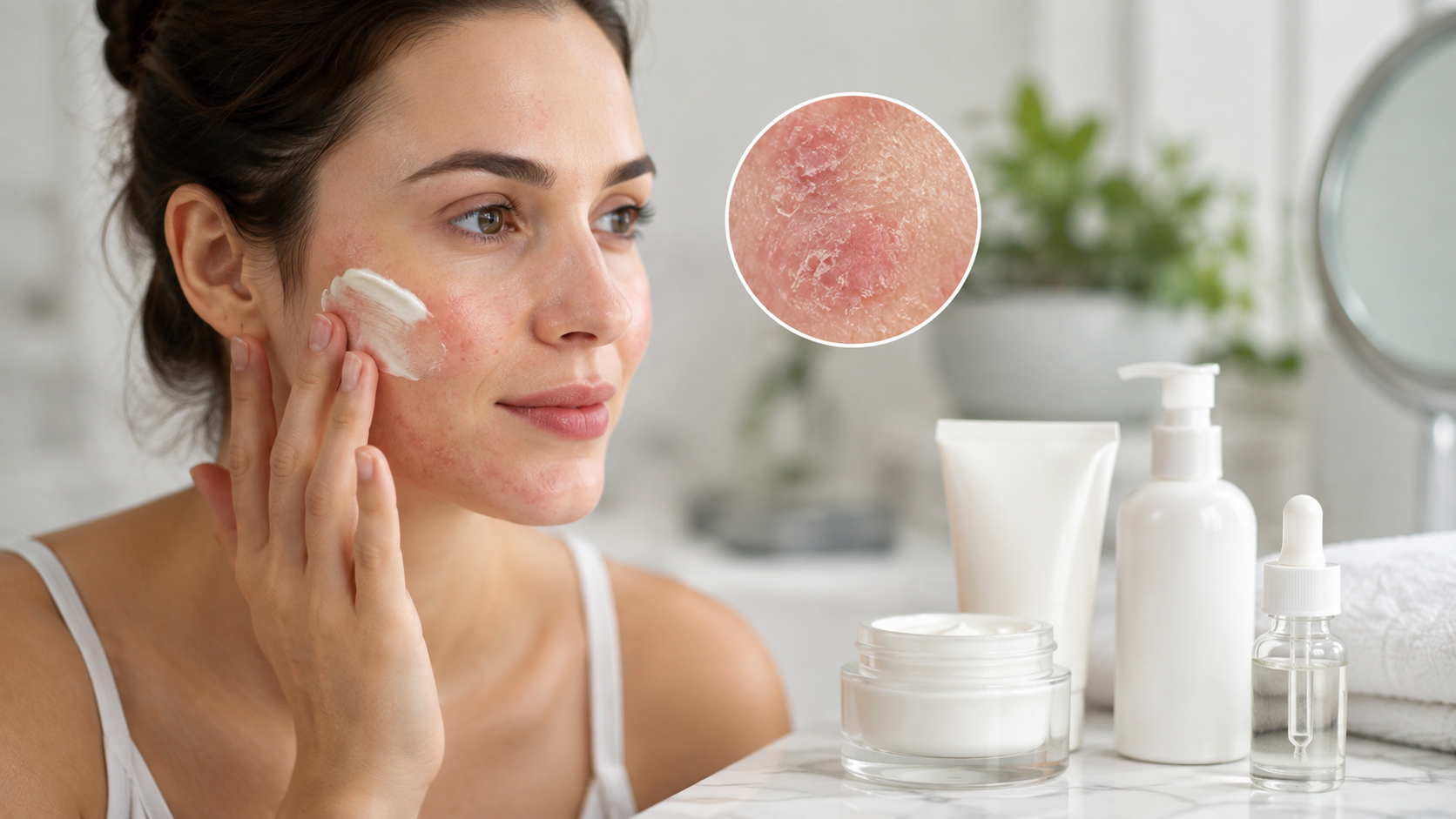
Those small, rough bumps on the back of your arms, thighs, or cheeks have a name: keratosis pilaris, usually shortened to KP. It’s extremely common — studies estimate it affects somewhere between 50% and 80% of teenagers and around 40% of adults. Most people who search for moisturizers for KP aren’t dealing with a medical emergency. They’re dealing with skin that feels like sandpaper, looks a little red or bumpy, and doesn’t respond to a regular lotion the way they’d expect.
The reason plain moisturizers often disappoint is that KP isn’t caused by dryness alone. It’s caused by a buildup of keratin — a protein your skin naturally makes — that plugs up hair follicles. A basic moisturizer can soften skin, but it won’t clear that plug. This article covers what actually works, why certain ingredients matter, and how to build a routine that targets the real cause instead of just the surface feel.
Direct Answer
The most effective moisturizers for keratosis pilaris contain urea, lactic acid, or salicylic acid. These ingredients do double duty: they hydrate the skin while also breaking down the keratin buildup that plugs hair follicles and causes the bumps. Applying them consistently — right after bathing, while skin is still damp — produces smoother, less bumpy skin over several weeks.
What Keratosis Pilaris Actually Is
Keratosis pilaris shows up as small, rough bumps, often described as “chicken skin,” typically on the upper arms, thighs, cheeks, or buttocks. Each bump forms around a hair follicle that’s become clogged with keratin, the same tough protein that makes up the outer layer of skin, hair, and nails.
Doctors don’t know the exact cause. It seems to run in families and is linked to skin conditions like eczema, and it’s often worse in winter, when skin tends to be drier. It’s not contagious, not dangerous, and not a sign of poor hygiene. For many people, it fades somewhat with age, though it can persist into adulthood.
Because the surface symptom looks like dryness, it’s tempting to reach for a heavy, greasy body butter. But KP is really a keratinization problem — skin cells aren’t shedding the way they should — so the ingredients that help most are the ones that address that buildup directly, not just the moisture level.
Why Certain Ingredients Work Better Than Others
A regular moisturizer, even a rich one, mainly works by sealing in water and softening the skin’s surface. That can make bumps feel less rough temporarily, but it doesn’t clear the keratin plug underneath. The following ingredients go a step further.
Urea
Urea is a humectant, meaning it draws water into the skin, but at higher concentrations it also has a mild exfoliating effect on the outer skin layer. A clinical study using a 20% urea cream found a statistically significant improvement in skin texture after just one week, with further improvement by four weeks. Urea is a well-established ingredient in topical skincare that acts as a component of the skin’s natural moisturizing factors, with humectant, emollient, and exfoliative properties that depend on its concentration. Lower concentrations (around 10%) mainly moisturize; higher concentrations (15% to 20%) add more noticeable exfoliation.
Lactic Acid
Lactic acid belongs to a group of ingredients called alpha hydroxy acids, or AHAs. AHAs are water-soluble organic acids that are widely used to remove thickened skin in conditions involving excess buildup of the skin’s outer layer. For KP specifically, lactic acid loosens the bonds between dead skin cells so they shed more easily, which helps clear the follicle openings that cause the bumpy texture. It also has humectant properties, so it moisturizes at the same time it exfoliates.
Salicylic Acid
Salicylic acid is a beta hydroxy acid, or BHA. Unlike AHAs, it’s oil-soluble, which lets it get into the pore itself rather than just working on the surface. That makes it useful for KP on oilier areas of skin, like the upper arms, where follicles may be more prone to clogging.
Retinoids
Retinoids — including over-the-counter retinol and prescription options like tretinoin or adapalene — speed up skin cell turnover. Dermatologists sometimes recommend a retinoid alongside lactic acid or salicylic acid as part of a treatment plan. They tend to be more irritating than urea or lactic acid, so they’re usually introduced gradually and often only where other ingredients haven’t been enough.
How These Ingredients Compare
| Ingredient | Main Function | Best For |
| Urea | Hydrates and softens keratin | Very dry, rough skin |
| Lactic acid | Exfoliates and hydrates | General smoothing and texture |
| Salicylic acid | Exfoliates inside the follicle | Oilier skin, more stubborn bumps |
| Retinoids | Speeds up cell turnover | Cases that don’t improve with the above |
Building a Routine That Works
Ingredients matter, but timing and consistency matter just as much. A few practical adjustments make a real difference.
Step-by-Step Routine
- Use lukewarm water, not hot. Hot showers strip natural oils and can make KP look more inflamed.
- Skip harsh soaps and scrubs. Dermatologists point to harsh, drying soaps, fragrances, detergents, aggressive exfoliation, and hot water as things that tend to make keratosis pilaris worse. A gentle, fragrance-free cleanser is a better starting point than a physical scrub.
- Apply your moisturizer within five minutes of getting out of the shower. Applying a treatment moisturizer while skin is still damp, ideally within five minutes of bathing, helps it absorb and work more effectively.
- Reapply through the day if needed. Some dermatologist guidance suggests applying two to three times daily, gently massaged into affected areas.
- Give it time. Meaningful texture changes usually take two to four weeks of consistent use, not days.
- Watch for irritation. If skin becomes red, stinging, or overly dry, cut back to every other day rather than stopping altogether.
Common Mistakes
Using a moisturizer with no active ingredient and expecting it to clear bumps. Plain lotions can soothe dryness but won’t break down the keratin plug that actually causes KP.
Over-exfoliating with physical scrubs. Rough loofahs or gritty scrubs can irritate the skin and make redness worse, even though it feels like it should help.
Expecting permanent results. KP tends to come back if treatment stops, especially in winter. It’s more of an ongoing management routine than a one-time fix.
Assuming KP means something is medically wrong. It’s a common, benign skin condition. It doesn’t indicate poor hygiene or an underlying illness, even though the bumps can look inflamed.
Applying acids to broken or irritated skin. Ingredients like lactic acid or salicylic acid can sting on compromised skin. It helps to patch test on a small area first.
A Realistic Example
Someone with rough, bumpy patches on their upper arms might start with a fragrance-free lotion containing 10% urea, applied twice a day. After two weeks, texture may improve modestly. If redness or bumpiness is still bothersome after a month, switching to or adding a lactic acid lotion, or alternating with a salicylic acid product a few times a week, often produces a more noticeable change. This kind of step-up approach — starting gentle, then adding a stronger exfoliating ingredient if needed — matches what dermatologists typically recommend rather than jumping straight to the strongest option.
Key Facts
- Keratosis pilaris affects an estimated 50% to 80% of adolescents and about 40% of adults.
- The bumps form when keratin plugs hair follicles, not simply from dry skin.
- Urea, lactic acid, and salicylic acid are the ingredients most consistently linked to improvement.
- A clinical study on 20% urea cream showed measurable texture improvement within one week.
- KP tends to worsen in winter and often improves somewhat with age.
- It’s not contagious and isn’t caused by poor hygiene.
- Results typically take two to four weeks of consistent use to become noticeable.
FAQ
Q1: What is the best moisturizer ingredient for KP?
Ans: There’s no single “best” ingredient for everyone. Urea works well for very dry, rough skin, while lactic acid tends to suit people looking for overall smoothing. Salicylic acid can help with more stubborn bumps, particularly on oilier skin.
Q2: How does a KP moisturizer actually work?
Ans: It combines hydration with mild exfoliation. The exfoliating component — urea, lactic acid, or salicylic acid — helps clear the keratin buildup plugging the hair follicle, while the moisturizing component keeps the surrounding skin from becoming dry or irritated.
Q3: Why is KP treatment important if it’s not dangerous?
Ans: KP itself isn’t harmful, but the texture and appearance can affect confidence, especially in visible areas like the arms. Treating it is about comfort and appearance, not medical necessity.
Q4: Is it safe to use exfoliating moisturizers on KP every day?
Ans: For most people, yes, though it depends on concentration and skin sensitivity. Starting with once-daily use and watching for irritation is a reasonable approach before increasing frequency.
Q5: Are there alternatives to store-bought moisturizers?
Ans: Some people find gentle exfoliation with a soft washcloth, combined with a basic fragrance-free moisturizer, provides mild improvement. For most people with noticeable KP, though, a product containing urea, lactic acid, or salicylic acid produces more consistent results.
Q6: What should someone know before starting a KP routine?
Ans: Results take weeks, not days. Irritation is a sign to scale back, not push through. And skin that doesn’t improve after a few months of consistent care is worth discussing with a dermatologist, who can offer prescription-strength options like topical retinoids.
Key Takeaways
- KP is caused by keratin buildup blocking hair follicles, not just dry skin.
- Urea, lactic acid, and salicylic acid are the ingredients most linked to real improvement.
- Applying moisturizer within five minutes of bathing, on damp skin, helps it work better.
- Hot showers, harsh soaps, and aggressive scrubbing tend to make KP look worse.
- Consistency over several weeks matters more than any single product.
- Persistent or worsening KP is worth discussing with a dermatologist for prescription options.
Conclusion
Clearing up keratosis pilaris comes down to matching the treatment to the actual cause: a buildup of keratin in the hair follicles, not just dry skin on the surface. Moisturizers built around urea, lactic acid, or salicylic acid address both problems at once, softening skin while gently clearing the follicle blockages that create the bumpy texture. Given a few consistent weeks and a gentle bathing routine, most people see a real difference in how their skin looks and feels.
Healthy skin is the result of consistent care, informed choices, and daily habits that support its natural function. While skincare trends come and go, dermatology-based guidance remains one of the most reliable ways to maintain healthy skin throughout every stage of life. The School of Dermatology promotes a science-based approach to skincare by helping individuals understand how the skin works and how everyday habits influence its health. Rather than chasing quick fixes, it encourages practical routines that protect, nourish, and support the skin over the long term.
Understanding the Foundations of Skin Health
The skin is the body’s largest organ and serves as a protective barrier against environmental factors such as sunlight, pollution, bacteria, and temperature changes. It also helps regulate body temperature and prevent moisture loss, making proper skin care essential for overall health.
Dermatology emphasizes that healthy skin is built on consistency rather than complicated routines. Understanding your skin type, recognizing its changing needs, and selecting suitable products are the first steps toward creating a routine that supports long-term skin wellness.
Whether your skin is dry, oily, combination, or sensitive, learning how it responds to different products and environmental conditions helps you make informed decisions rather than relying on temporary skincare trends.
Creating a Simple and Effective Daily Routine
An effective skincare routine does not have to involve dozens of products. In many cases, a simple routine followed consistently provides better results than an overly complicated regimen that changes frequently.
A balanced daily routine generally focuses on cleansing, moisturizing, and protecting the skin. Gentle cleansing removes dirt, oil, and impurities without damaging the skin’s natural barrier, while a suitable moisturizer helps maintain hydration throughout the day.
Less can often achieve more.
Choosing products appropriate for your skin type and using them regularly helps support healthier-looking skin while reducing unnecessary irritation.
Why Sun Protection Should Never Be Ignored
Among all skincare recommendations, daily sun protection remains one of the most important. Ultraviolet (UV) radiation can contribute to premature skin aging and increase the risk of skin damage over time.
Applying sunscreen as part of your morning routine helps protect the skin during everyday activities, even when spending only limited time outdoors. Protective clothing, hats, and sunglasses can provide additional support, particularly during extended periods of sun exposure.
Developing sun-safe habits early in life benefits the skin for many years and supports a healthier complexion over time.
Protection is always worthwhile.
Nourishing Your Skin from Within
Healthy skin is influenced not only by external care but also by overall nutrition and lifestyle choices. A balanced diet rich in fruits, vegetables, whole grains, healthy fats, and lean proteins provides nutrients that support normal skin function.
Staying hydrated is equally important. Adequate water intake helps maintain overall body function and contributes to healthy skin. While hydration alone cannot solve every skin concern, it plays an important role in supporting the skin’s natural balance.
Lifestyle habits such as regular physical activity and quality sleep also contribute to overall wellness, which often reflects in the appearance of the skin.
Avoiding Common Skincare Mistakes
Many people unintentionally damage their skin by following routines that are too aggressive. Frequent exfoliation, excessive cleansing, or using multiple active ingredients without proper guidance can disrupt the skin barrier and lead to irritation.
Dermatology-based education encourages a more thoughtful approach. Instead of constantly changing products or following every new trend, individuals are encouraged to introduce products gradually and allow time to evaluate how their skin responds.
Common habits to avoid include:
- Over-cleansing the skin.
- Skipping daily sunscreen.
- Using products unsuitable for your skin type.
- Frequently changing skincare routines.
Consistency produces better long-term results.
Understanding the Role of Skincare Ingredients
Modern skincare products contain a wide variety of ingredients, each designed to serve a different purpose. Learning what these ingredients do allows individuals to make more informed decisions instead of relying solely on product marketing.
Moisturizing ingredients help support hydration, while antioxidants help defend against environmental stressors. Other ingredients may focus on improving skin texture or supporting the skin’s natural renewal process.
Understanding ingredient labels helps simplify product selection and reduces the likelihood of purchasing unnecessary or overlapping products.
Knowledge leads to better skincare choices.
Managing Skin Health Through Every Stage of Life
The skin naturally changes with age. Factors such as hormonal changes, environmental exposure, lifestyle, and genetics influence how the skin looks and functions over time.
A skincare routine that worked during adolescence may not provide the same benefits later in adulthood. Regularly evaluating your routine and making thoughtful adjustments helps ensure your skincare continues to meet your changing needs.
Dermatology emphasizes adapting routines based on skin condition rather than following one approach indefinitely.
When Professional Guidance Matters
While daily skincare habits are essential, some concerns require professional evaluation. Persistent irritation, unusual skin changes, or long-lasting skin problems should be assessed by a qualified dermatologist rather than treated solely with over-the-counter products.
Seeking professional advice early can help identify underlying issues and provide personalized recommendations that match your individual skin type and health needs.
Professional guidance complements daily care.
Combining home skincare with expert advice creates a more complete approach to maintaining lifelong skin health.
Building Sustainable Skincare Habits
Healthy skin is rarely achieved through short-term efforts. It develops through routines that become part of everyday life and are maintained consistently over time.
Simple habits such as cleansing gently, moisturizing regularly, protecting the skin from the sun, staying hydrated, eating nutritious foods, and avoiding unnecessary irritation create a strong foundation for lifelong skin wellness.
The best skincare routine is one that you can maintain comfortably and consistently throughout changing seasons and different stages of life.
Small habits create lasting benefits.
Conclusion
The School of Dermatology encourages a practical, science-based approach to skincare that focuses on education, consistency, and healthy daily habits. By understanding how the skin functions and making informed decisions about products and routines, individuals can support healthier skin for years to come.
Lifelong skin health is not built on temporary trends or complicated routines. It is achieved through balanced care, sun protection, good nutrition, and ongoing attention to the skin’s changing needs. With the right knowledge and consistent habits, maintaining healthy, resilient skin becomes a realistic goal that supports both confidence and overall well-being.
-

 Technology2 months ago
Best Wireless Earbuds Under 200 Dollars 2024: What to Know Before You Buy
-

 News4 months ago
Best Places to See Penguins in the Wild: A Complete Guide
-

 Technology4 months ago
What Is VIPstand? How It Works, Legal Risks, and What You Should Know
-

 News4 months ago
Lake Mead Water Levels: Status, History & Western Impact
-

 Technology4 months ago
Laaster: Meaning, Origins, and What It Says About Harmful Speech
-

 Celebrity4 months ago
Matt Danzeisen: Who He Is, His Career in Finance, and His Life With Peter Thiel
-

 News4 months ago
What Is Epoch Fun? A Complete Guide to the Epoch Times Games Section
-

 Food2 months ago
Best Arroz con Leche Boliviano Near Me: What to Look For