
Technology
What Is VIPstand? How It Works, Legal Risks, and What You Should Know

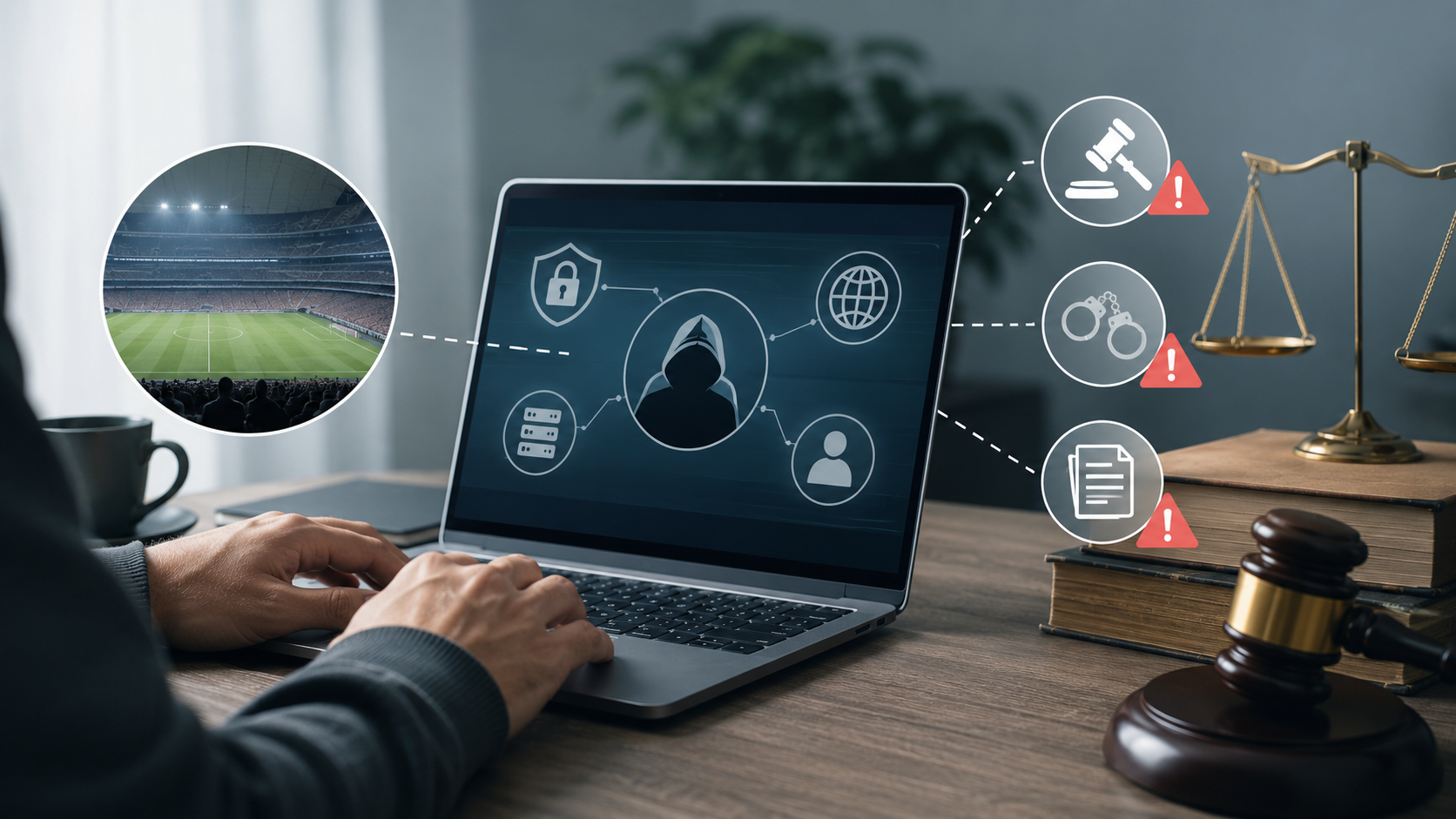
Introduction
If you’ve been searching for a way to watch live sports online without paying for a broadcaster subscription, you’ve likely come across the name VIPstand. It shows up frequently in searches for free football, basketball, MMA, and Formula 1 streams, and its name recognition has grown significantly among sports fans worldwide.
But what exactly is VIPstand? How does it actually work? And is using it legal?
Those questions deserve clear, factual answers, not promotional language in either direction. This article explains the platform’s mechanics, the real legal and security landscape around it, and the options available to people who want to watch live sport online.
What Is VIPstand?
VIPstand is a free online sports streaming aggregator, a website that collects and lists links to live sports streams hosted elsewhere on the internet. It does not own or produce any content itself. Instead, it functions as a directory, pointing users toward third-party streams of events like football, basketball, MMA, F1, and more. VIPstand does not hold official broadcasting rights to the events it lists.
How VIPstand Works
VIPstand is not a streaming service in the way that Netflix or ESPN+ are streaming services. Those platforms license content, host it on their own servers, and deliver it directly to subscribers. VIPstand does none of those things.
What it does is aggregate links. When a major sports event is scheduled, say, a Premier League match or a UFC pay-per-view, VIPstand compiles available streams from various third-party sources and lists them in one place. A user visits the site, finds the event they want to watch, clicks a link, and is redirected to an external site or player where the stream actually plays.
Rather than hosting video files or broadcasts itself, VIPstand gathers links and organizes them so users can quickly find what they want to watch, acting more like a directory than a streaming platform.
What Sports Does VIPstand Cover?
VIPstand offers an expansive range of categories, including football, basketball, American football, MMA, and even niche sports like darts or snooker. The platform is designed as a one-stop shop for enthusiasts who want to follow leagues like the English Premier League, NBA, NFL, and UFC without switching between multiple websites.
Coverage typically spans:
- Football / Soccer (Premier League, La Liga, Champions League, World Cup qualifiers)
- Basketball (NBA, EuroLeague)
- American Football (NFL)
- Mixed Martial Arts (UFC, Bellator)
- Formula 1 and MotoGP
- Boxing
- Rugby
- Tennis and other individual sports
How the Interface Works
VIPstand is popular because it allows fans to watch matches without creating an account or paying subscription fees. Its simple interface helps users find live games quickly, and multiple streams for each match increase reliability.
The homepage typically shows upcoming and currently live events, organized by sport. Users select an event, are presented with available stream links, and click through to an external player. If one link doesn’t work, another is often available for the same event.
Is VIPstand Legal?
This is the question most people want answered clearly, and it deserves a direct response.
VIPstand operates outside official broadcasting rights. VIPstand does not own the rights to the content it displays. Instead, it indexes external, unlicensed streams from across the internet, which puts the platform in a precarious legal area.
What the Law Says
The legality of using VIPstand depends heavily on local laws. In general, streaming copyrighted sports events without permission is considered illegal in many jurisdictions. Some countries focus enforcement on the operators of such sites, while others have also targeted end users. Laws also differ on whether simply watching a stream — without downloading or distributing it — constitutes infringement.
In the United States, the Digital Millennium Copyright Act (DMCA) gives copyright holders the ability to demand takedowns of infringing content. While most prosecutions target those who upload or distribute illegal streams, there have been cases where viewers have faced legal consequences.
In the United Kingdom, the Digital Economy Act increased penalties for online copyright infringement, which can include accessing illegal streams.
Sports organizations have been unambiguous on this point. The Premier League has stated that “watching pirate streaming services is a crime, full stop,” warning fans that using these sites can leave them exposed to prosecution and data theft. UEFA has reaffirmed that “the fight against the online piracy of our competitions remains a key priority.”
What About Just Watching Without Downloading?
The legal distinction between watching and downloading varies by country. In some jurisdictions, merely accessing an unauthorized stream is sufficient to constitute infringement. In others, enforcement targets distributors and operators rather than individual viewers. However, “not yet prosecuted” is not the same as “legal.” The risk exists and varies depending on where you are.
Security Risks of Using VIPstand
Beyond the legal question, there are practical security risks that users of any free streaming aggregator face.
Malicious Advertising
Free streaming sites rely heavily on advertising to generate revenue, and not all of those ads are benign. Pop-up ads on streaming aggregator sites are a common delivery mechanism for:
- Malware — software that installs itself on your device when you click on or interact with an ad
- Phishing pages — fake login screens designed to steal usernames and passwords
- Unwanted browser extensions — tools that hijack browser settings or track activity
The UK Government warns that “piracy exposes consumers to malware, fraud and other cyber-crime while undermining the creative industries that invest in live sport.”
Redirects to Harmful Sites
Because VIPstand links out to external streams, users have no control over where those external links lead. A stream link might redirect through several intermediate pages before reaching content — and some of those intermediate pages may attempt to install software or collect data.
No Account Security (Which Is a Two-Way Issue)
The fact that VIPstand requires no account registration means there’s no personal data tied to your profile there. But it also means there’s no accountability or consumer protection if something goes wrong during your visit.
ISP Monitoring
In many regions, accessing copyrighted broadcasts through unofficial directories can lead to warnings from Internet Service Providers (ISPs) or even legal penalties. Many internet service providers actively monitor for traffic to known piracy-related sites and are legally required in some jurisdictions to issue warnings or throttle access.
Why People Use VIPstand
Understanding why VIPstand attracts users is straightforward and worth acknowledging honestly.
Live sports broadcasting rights are expensive and that expense is passed on to consumers. In many countries, watching a single major football league legally requires multiple subscriptions across different broadcasters. A fan who wants to follow the Premier League, Champions League, NFL, and UFC simultaneously could face monthly costs that are genuinely prohibitive.
Its popularity has grown significantly, particularly among viewers who either cannot afford expensive sports channel subscriptions or who live in regions where their desired sports are not easily accessible.
Geographic restrictions add another layer of frustration. Certain events are blacked out in specific regions even when a fan has a valid subscription. Others are simply not available through any licensed broadcaster in a given country.
These are real problems with the official sports broadcasting ecosystem. They don’t make unauthorized streaming legal or safe, but they do explain why aggregator sites exist and find audiences.
Common Misconceptions About VIPstand
VIPstand hosts the streams itself
It doesn’t. VIPstand is a directory of links to content hosted on third-party servers. The distinction matters legally — the platform’s operators can argue they aren’t directly hosting infringing content — but from a user perspective, the practical effect is the same.
Using a VPN makes it legal
A VPN masks your IP address and can make your activity harder to trace. It does not change the legal status of accessing unauthorized streams. Using a VPN while watching illegal content is still accessing illegal content. The VPN reduces some privacy risk but doesn’t eliminate the legal one.
Because VIPstand just links to streams, it’s not really piracy
The legal question of whether linking to infringing content constitutes infringement itself has been litigated in various jurisdictions. Courts in Europe and elsewhere have found that aggregate linking sites can be liable for copyright infringement even when they don’t directly host content. The “just linking” defense is weaker legally than it appears.
It’s safe because everyone uses it
Popularity doesn’t indicate safety. Many widely used platforms have exposed users to significant security risks. The scale of use doesn’t change the underlying risk profile of the site.
There are no real consequences for viewers
This is true in a statistical sense; the vast majority of users face no direct legal action. Enforcement predominantly targets operators and distributors. But ISP warnings are common in some jurisdictions, and security-related consequences (malware, data theft) can affect any user.
A Real-World Scenario
Consider a football fan in the UK who wants to watch a Champions League match on a Tuesday night. The match is broadcast on a paid streaming service that requires a monthly subscription.
The fan visits VIPstand, finds the match listed with several stream links, clicks one, and watches the game via a third-party player. During the session, multiple pop-up ads appear, one of which installs adware on the fan’s browser without any visible prompt. Two weeks later, the browser starts redirecting to unfamiliar pages. The fan spends an afternoon removing the unwanted software.
This scenario doesn’t involve any legal action, but the security consequence is real, and it’s a common one. The “free” stream carried a hidden cost.
Legal Alternatives for Watching Live Sports
Several licensed platforms offer live sports streaming, with varying costs and coverage depending on the region. These include:
- ESPN+ — US-focused, covers NFL, NBA, NHL, UFC, and international football
- DAZN — Available in multiple countries, broad sports coverage including boxing and football
- Sky Sports / TNT Sports — Major UK broadcasters for Premier League, Champions League, and more
- Peacock — US platform with Premier League coverage
- FuboTV — US sports streaming service with broad live sports coverage
- BBC iPlayer / ITV Hub — Free legal options for UK viewers for some events
- YouTube — Occasionally carries free authorized live streams of selected events
Coverage, pricing, and availability vary by country. In some regions, local broadcasters offer free-to-air coverage of major events.
It’s also worth checking whether a sport’s governing body or a team streams selected matches directly. Some leagues offer official streaming apps with lower-cost options than traditional broadcasters.
Key Facts About VIPstand
- VIPstand is a sports streaming aggregator, a site that links to external streams rather than hosting content directly
- It does not hold broadcasting rights to any of the sports events it lists
- Streams are sourced from third-party servers, meaning stream quality and availability vary considerably
- No account registration is required to use the site
- Accessing unauthorized streams is illegal in many jurisdictions, including the US and UK
- Security risks include malicious advertising, malware delivery, and phishing redirects
- The site exists across multiple domain names, partly due to periodic blocking by ISPs and authorities
- Sports organizations, including the Premier League, UEFA, and the NFL, have all taken public positions against piracy streaming
- Enforcement typically targets site operators rather than individual viewers, but end-user legal risk is not zero
FAQs
Q1: What is VIPstand?
Ans: VIPstand is a free online sports streaming aggregator. It collects and lists links to live sports streams hosted by third parties, allowing users to find streams for football, basketball, MMA, F1, and other sports in one place. It does not host content itself and does not hold broadcasting rights to any events.
Q2: Is VIPstand legal to use?
Ans: In most countries, no, or at minimum, it sits in a legally risky area. Streaming copyrighted sports broadcasts without authorization violates copyright law in many jurisdictions, including the US and UK. While enforcement mostly targets site operators, viewers can face warnings from internet service providers and, in some countries, legal consequences.
Q3: Is VIPstand safe?
Ans: There are real security risks. Free streaming aggregator sites commonly serve advertising from unvetted sources, which can deliver malware, adware, or phishing pages. Users have no control over what the external stream links lead to. Security-conscious users who do visit such sites typically use ad blockers and avoid clicking any ads or pop-ups.
Q4: Does VIPstand require an account?
Ans: No. VIPstand does not require registration or payment to access stream links.
Q5: Why does VIPstand have multiple domain names?
Ans: Unauthorized streaming sites are frequently blocked by ISPs in certain countries or taken down by authorities. Operators respond by migrating to new domain names or running multiple domains simultaneously. If one address becomes inaccessible, another typically exists.
Q6: What are the alternatives to VIPstand?
Ans: Licensed alternatives include ESPN+, DAZN, Sky Sports, TNT Sports, Peacock, and FuboTV, depending on your country and which sports you follow. Some events are also available free-to-air through national broadcasters. Coverage and pricing vary significantly by region.
Q7: Does a VPN make VIPstand legal or safe?
Ans: A VPN can reduce privacy exposure by masking your IP address, but it does not change the legal status of accessing unauthorized streams. The activity remains legally questionable in most jurisdictions regardless of whether a VPN is used.
Key Takeaways
- VIPstand is a streaming aggregator it links to third-party streams rather than hosting content itself
- It covers a wide range of sports, including football, basketball, MMA, F1, and more, with no account or payment required
- The platform does not hold rights to any of the content it links to
- Accessing unauthorized sports streams is illegal in many countries, including the US and the UK.
- Security risks are real: aggressive advertising on these sites can expose users to malware, adware, and phishing
- Using a VPN reduces some privacy risk but does not make the activity legal
- Enforcement predominantly targets site operators, but end-user risk from both legal and security perspectives is genuine
- Licensed alternatives exist across most major sports and regions, though costs and availability vary
Conclusion
VIPstand is a well-known name in the free sports streaming space, and understanding what it actually is — a link aggregator rather than a broadcaster helps explain both its appeal and its limitations.
The appeal is real: live sports broadcasting rights are fragmented and expensive, and many fans struggle to access events through official channels. The limitations are also real: the streams linked through VIPstand are unauthorized, the legal risk depends on jurisdiction but is never zero, and the security risks from aggressive advertising are consistent problems for this category of site.
What people do with that information is their own decision. But the facts themselves are clear enough to act on.


These types of search engines, answer engines, and AI overview tools have revolutionized the way people find information on the internet. Rather than digging through ten blue links, one is now presented with compiled summaries directly lifted from the internet. But in terms of digital publishing and marketing, it begs the following question: how can one make sure that the latest large language models cite and link to one’s website? The solution is found in Generative Engine Optimization (GEO), which is the process of creating one’s material in such a way that it can be easily parsed and cited by intelligent systems. Although more and more companies seek dedicated ai seo services, having an understanding of what kind of writing appeals to the intelligent system makes it possible for anyone to increase citations of their work.
Here is how to create content that AI search engines will actually cite.
1. Create “Answer First” Content Architecture
The AI search engine works with very strict retrieval deadlines. Therefore, clarity and efficiency trump entertainment. If one buries all the important information under three paragraphs of introductory preamble, one increases the chances of being skipped by retrieval algorithms.
- Start with Direct Definitions: Lead each major heading with a definitive statement consisting of 40 to 60 words that directly answers the central question.
- Provide Canonical Descriptions: Whenever you use industry-specific terminology for the first time, give a canonical definition of the same within a one-paragraph standalone statement.
- Keep Paragraphs Short: Stick to paragraphs of two or three sentences only. Focused paragraphs are much easier for AI models to understand and extract.
2. Format Key Data in Extractable Blocks
When building synthesized responses, AI models seek structured forms that need little to no interpretation. The denser the text, the more the model needs to understand what you mean, resulting in possible misattribution or hallucinations.
- HTML tables for comparisons: Whenever you are comparing anything from features to metrics across various dimensions, always use an HTML table.
- Structure lists for processes and features: Always use bulleted or numbered lists to communicate steps of a process and feature lists.
- Question-based headings: Use your subheadings to ask the question users have (e.g., “What Is Content Extraction?”).
3. Support Claims with Citable Facts and Sources
Large language models consider the depth of knowledge and credibility of content when assessing the material. Phrases like “experts say” or “studies show” hold little value for citation algorithms.
For the algorithm to cite your content directly, always include verifiable facts and numbers in every section of the content. Add specific metrics, percentages, research data, and citations of original sources. Citing claims by experts or citing named research papers tells the model that your content is credible.
4. Build Strong Entity Clarity and Schema
AI engines travel the internet using knowledge graphs, which are digital maps connecting people, places, institutions, and concepts. When the engine can’t be sure of who you are and what expertise you have, it resorts to citing other, more famous brands.
Keep your brand information uniform across the Internet, use detailed author pages with valid credentials, and apply structured schema markup (Article, FAQPage, HowTo schema). Feeding the crawlers clean machine-readable data allows algorithms to easily validate your identity and cite your publication.
5. Create Q&A Sections
Creating a dedicated FAQs section at the end of each article is one of the best ways to secure an AI citation. Formulate questions as if answering user prompts and provide concise answers right below. These Q&A blocks resemble user prompts and are often directly copied into answer panels by AI engines.
Conclusion
Acquiring citations from AI search engines is not about gaming keywords but decreasing the friction of machine extraction. By placing clear answers upfront, structuring data into extractable tables and lists, backing every claim with factual proof, and building clear entity authority, you make your website an indispensable source of truth. Whether you execute these optimizations internally or collaborate with dedicated ai seo services, aligning your writing with how generative models consume information ensures your brand remains visible, authoritative, and frequently cited in the AI-driven search landscape.
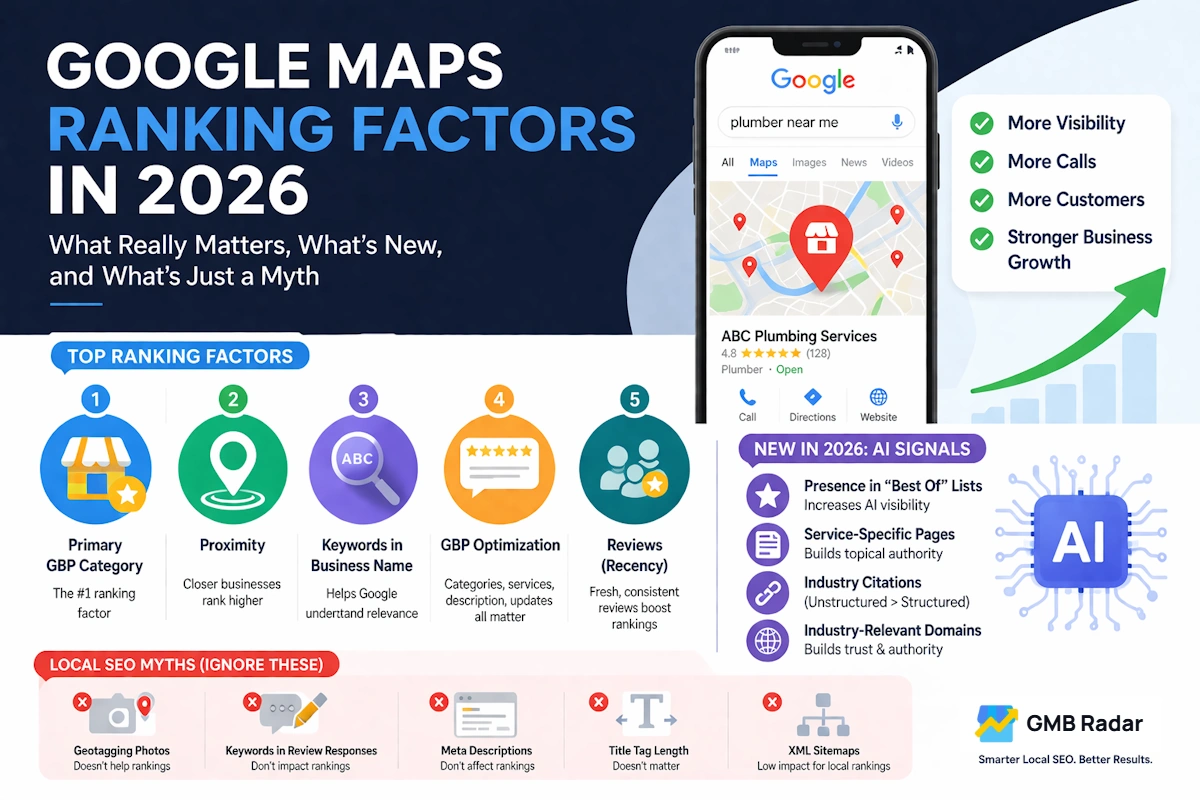
When you search for a nearby coffee shop or mechanic, your phone usually shows three featured local businesses right below the search bar. Getting your business into that prime real estate isn’t random luck or magic. Smart local businesses use targeted map pack seo strategies to earn those top spots and claim the lion’s share of nearby customers. If you want to boost your online visibility, you need to know what drives those rankings. Here are the seven main factors that determine who makes the cut.
1. Google Business Profile Optimization
Your profile is the bedrock of your local setup. If you do not claim your listing, pick the right main category, and fill out every blank box, you are leaving money on the table.
Here is what active profiles actually do on a regular basis:
- Post fresh photos: Show off your store, your team, and your latest work so people know you are legit.
- Keep hours accurate: Change your listed times for holidays or seasonal shifts so nobody shows up to a locked door.
- Spell out your menu or services: List what you actually offer instead of making shoppers guess.
Avoid basic mistakes that trip up your listing:
- Keyword stuffing: Stick to your real business name instead of tacking on extra buzzwords to cheat the system.
- Blank profile fields: Fill in everything, including your website link, phone number, and accessibility details.
- Mismatched info: Make sure your address and phone match what is listed on your actual website.
Leaving blanks or listing wrong details throws off customers and search tools alike. A complete, clean profile sets a solid baseline that puts you ahead of lazy competitors in town.
2. Proximity to the Searcher
You cannot move your building closer to a customer, but you can be smart about how you define your service area. Distance is one of the biggest factors in local search, and Google almost always favors whichever shop is physically closest to the person holding the phone.
Here is how to get the most out of your physical footprint:
- Set clear service boundaries: Outline the exact zip codes and towns you drive to so you catch nearby leads.
- Drop precise map pins: Make sure your marker sits right over your actual front door, not in the middle of an intersection down the street.
- Target local neighborhood hubs: Mention well-known nearby landmarks or districts in your updates, so searchers recognize your area.
- Be realistic about your reach: Know that a customer standing two miles closer to a competitor will usually see them first.
You cannot fake your physical location, but setting clear boundaries helps you dominate the exact blocks where you actually operate.
3. Review Volume and Star Rating
Getting a constant stream of real reviews is one of the quickest ways to build trust and show you are open for business. When locals leave high ratings and talk about their experience, it proves to both searchers and search engines that you do solid work.
Here is how to manage your reviews the right way:
- Ask regularly: Focus on getting a steady flow of feedback over time instead of asking fifty people all on the same day.
- Reply to every single comment: Say a quick thanks to positive reviewers so they know you appreciate their support.
- Handle complaints calmly: Respond to unhappy customers professionally to show potential clients you take bad experiences seriously and fix mistakes.
- Watch for service keywords: Notice how happy customers naturally mention specific jobs or workers in their comments.
Collecting reviews isn’t a one-and-done project. Staying active in your review section shows your community that customer service actually matters to your business.
4. On-Page Local Signals
Your main website has to talk to your map profile so search engines get the full picture. If your site lists one address and your map profile lists another, you end up confusing the systems that send local buyers your way.
Here is how to set up clear location signals on your site:
- Put your info in the footer: Keep your business name, address, and phone number visible at the very bottom of every single page.
- Embed an active Google map: Place a live map right on your contact page so visitors and search bots can pinpoint your shop instantly.
- Build separate location pages: Create individual pages for each city or town you cover if you run multiple offices or send trucks out to surrounding areas.
- Add local schema code: Have your site developer drop local markup code into the back end to make your location clear to search crawlers.
When your website and map listing line up perfectly, you make it easy for local buyers to find you and trust that you are the real deal.
5. Consistent NAP Citations
Having different business details scattered around the web confuses both real people and search systems. Your business name, street address, and main phone number need to match letter-for-letter on Yelp, social media pages, local business directories, and your own site.
Here is how to clean up your business listings:
- Check for old addresses: Hunt down outdated locations from past moves and update them to your current front door.
- Fix phone number variations: Make sure you list the exact same main office line everywhere instead of mixing cell phones and landlines.
- Spell your name the same way: Drop random additions like “Inc.” or “LLC” on some sites if you do not use them across the board.
- Fix typos on directory sites: Run a quick search for your business on major sites like YellowPages to catch small mistakes before they cause issues.
Cleaning up these old listings takes a little time, but fixing mismatched info gives search platforms full confidence that your business is open, active, and located right where you say you are.
6. High-Quality Inbound Backlinks
Links from other reputable websites function as endorsements for your local authority. Acquiring links from the following will help you:
- local news outlets
- neighborhood blogs
- trade associations
- sponsored community events
Search engines view these regional links as proof that your company is genuine and well-integrated into the local community.
Quality beats sheer volume every time when building a healthy backlink footprint. A single link from a well-respected local newspaper carries far more value than dozens of low-quality links from unrelated sites. Focus on building real relationships with local partners to naturally earn those high-value links over time.
7. User Engagement Signals
How searchers interact with your local profile directly impacts your long-term position. The following tells alorigthms that your business is relevant:
- High click-through rates
- Frequent requests for driving directions
- Direct phone calls from listings
If people frequently click your profile and take action, your position tends to strengthen.
To maximize user actions, post clear calls to action and publish high-quality photos of your team, work, or storefront. Clear pictures and easy navigation encourage users to interact rather than scroll past to a competitor. Earning strong user engagement keeps your business positioned ahead of static, inactive listings.
Final Word
Winning a top spot in local search results requires consistent effort across multiple channels. By aligning your website content, managing customer feedback, and applying focused map pack seo tactics, you build lasting digital authority. Local search success does not happen overnight, but staying focused on these seven factors gives your business a clear edge. Keep your business information accurate, engage with your community, and watch your local visibility grow.
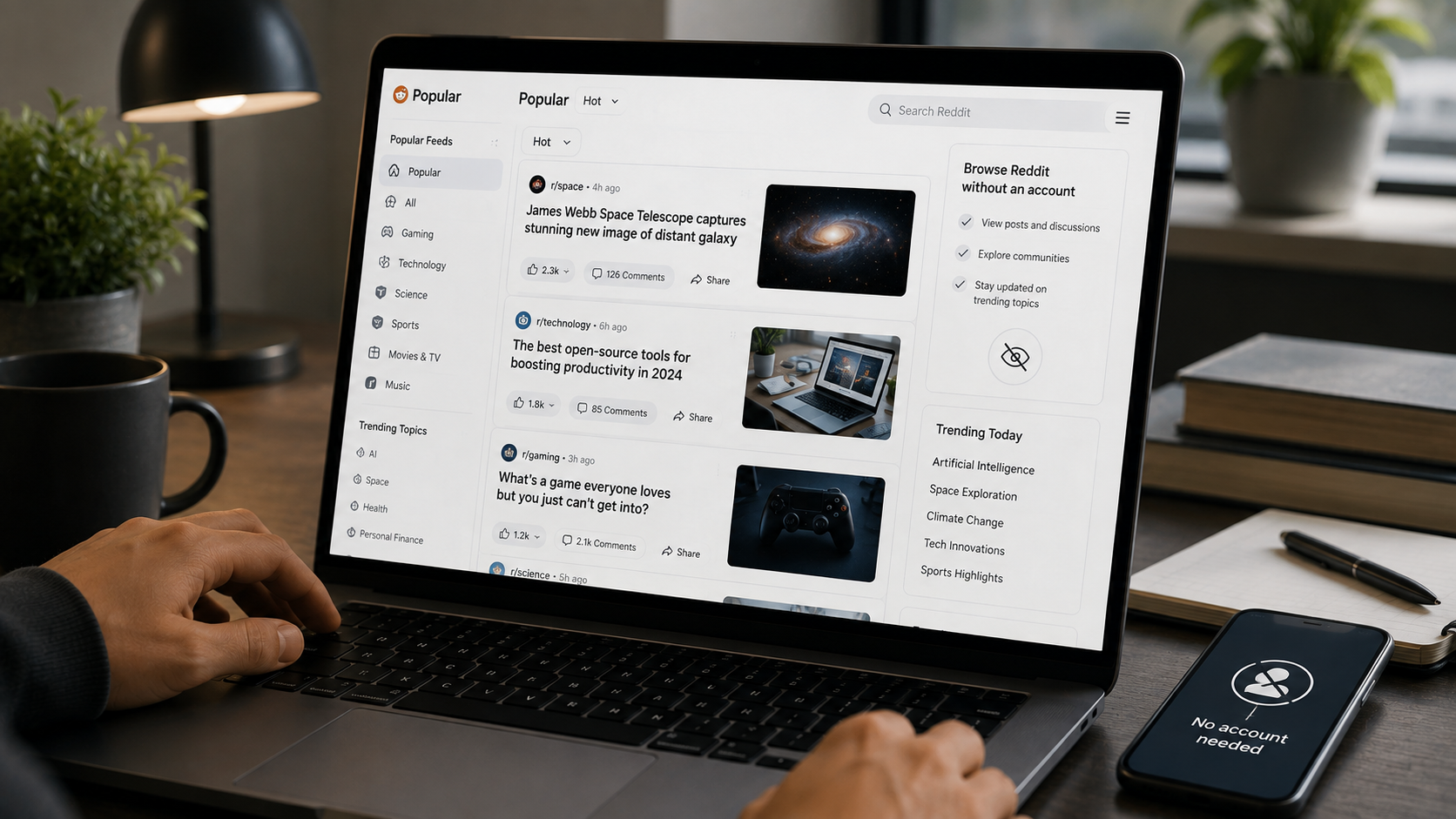
Not everyone who wants to read Reddit wants to be tracked, targeted with ads, or nudged into creating an account. That’s the gap Reddit viewer tools fill: ways to read posts, comments, and communities without signing in or linking your activity to a profile. Here’s how these tools actually work, what they can and can’t do, and what to watch out for.
Direct Answer: What Is a Reddit Viewer?
A Reddit viewer is a tool, method, or third-party app that lets you read Reddit posts, comments, and subreddits without logging into an account. Options range from Reddit’s own built-in anonymous browsing feature and browser incognito mode, to third-party websites and open-source apps that pull content through Reddit’s public API. Most Reddit viewer tools prevent your reading activity from being tied to your account, but none of them make you fully invisible, since Reddit and your internet provider can still see your IP address and basic connection details.
Reddit’s Own Anonymous Browsing Feature
Reddit built a native anonymous browsing mode directly into its official mobile app, available on both iOS and Android. To use it, open the app, tap your avatar, select the dropdown next to your username, and choose Anonymous Browsing. Once active, your reading history, searches, and visited communities aren’t saved to your account or used to influence your personalized feed.
It’s worth knowing this feature has had documented reliability issues. Some users report the option disappearing from their profile menu entirely, while others encounter crashes or black screens when trying to activate it, issues that have persisted across several recent app updates. There’s also currently no desktop equivalent of this feature, so it only works within the mobile app itself.
Using Incognito Mode as a Reddit Viewer
For desktop browsing, opening Reddit in your browser’s private or incognito window is the most straightforward built-in alternative. This works by blocking third-party tracking cookies and keeping your Reddit browsing history out of your regular browser history, without requiring you to log in at all.
It’s important to understand the actual limits here. Incognito mode prevents your browsing history from being saved locally and stops some tracking cookies, but it doesn’t hide your IP address from Reddit or your internet provider, and it doesn’t make you anonymous to the websites you visit. Think of it as reducing your digital footprint locally, not achieving true anonymity.
Third-Party Reddit Viewer Tools and Apps
Beyond Reddit’s own features, a range of third-party tools exist specifically to let people browse without an account:
Open-source mobile apps, such as Infinity for Reddit and Relay for Reddit on Android, offer full browsing functionality, including reading, and in some cases posting and voting, without the tracking built into Reddit’s official app.
Web-based Reddit viewers pull content through Reddit’s public API to display posts, comments, and media in a simplified, login-free interface. These tools generally focus on public subreddit content, since private communities remain inaccessible without proper authorization regardless of the viewer used.
Old Reddit (old.reddit.com), accessed without logging in, offers another straightforward option. It’s not designed specifically as a privacy tool, but browsing it without signing in accomplishes much the same thing as incognito mode, with a more traditional interface some users prefer.
What These Tools Actually Protect Against, and What They Don’t
This distinction matters more than most explanations of Reddit viewers make clear, so it’s worth breaking down directly.
What a Reddit viewer typically protects against: your reading activity being tied to your logged-in account, personalized ad targeting based on your Reddit behavior, and your browsing history being saved to an account profile that could be reviewed later.
What a Reddit viewer typically does not protect against: your IP address being visible to Reddit’s servers and your internet provider, device-level tracking that can sometimes correlate anonymous sessions with a previously logged-in account on the same device, and full anonymity in any legal or investigative sense.
For most casual use, sensitivity about targeted advertising, avoiding a permanent record of what you’ve browsed, or simply not wanting to log in, standard anonymous browsing options are perfectly adequate. For situations requiring stronger privacy guarantees, additional layers like a trusted VPN become more relevant, though that’s a separate consideration from Reddit viewing specifically.
Why Reddit Has Restricted Third-Party Access
Some context helps explain why this landscape has gotten more complicated in recent years. In 2023, Reddit significantly increased the price of its API access, a change that effectively shut down many popular third-party apps that had previously offered strong privacy and customization options. This pushed a lot of users toward Reddit’s official app or newer alternatives, and it’s part of why some third-party Reddit viewer options have shifted or changed over time.
Reddit has a clear business incentive here: logged-in, tracked users are significantly more valuable for advertising purposes than anonymous readers, which shapes both the design of the official app and the company’s approach to third-party access.
Good to Know
No option provides complete anonymity
Every method covered here reduces tracking in specific, meaningful ways, but none of them hide your IP address from Reddit’s own servers, an important distinction if your privacy concerns go beyond ad targeting and account history.
Official anonymous browsing has known bugs
If Reddit’s built-in feature isn’t working for you, this reflects a widely reported issue with the app itself rather than something wrong on your end specifically.
Public content stays public regardless of the viewer
Third-party Reddit viewer tools generally only access publicly available subreddit content; private or restricted communities remain inaccessible without proper account authorization no matter which viewing method you use.
Key Facts
- Reddit’s official app includes a native anonymous browsing feature, available on iOS and Android but not desktop.
- Browser incognito mode works as a simple, no-setup way to browse Reddit without linking activity to an account.
- Third-party apps like Infinity for Reddit and Relay for Reddit offer full functionality without official app tracking.
- No Reddit viewer method hides your IP address from Reddit’s servers or your internet provider.
- Reddit’s 2023 API pricing changes significantly reduced the number of available third-party apps.
- Private subreddits remain inaccessible through any viewer without proper account authorization.
Frequently Asked Questions
Q1: What is a Reddit viewer?
Ans: It’s any tool or method that lets you read Reddit content without logging into an account, ranging from Reddit’s own built-in anonymous browsing feature to third-party apps and web tools.
Q2: Is Reddit’s anonymous browsing feature reliable?
Ans: It has documented issues, including the option sometimes disappearing from the menu or causing crashes, reported across recent versions of the official app.
Q3: Does using a Reddit viewer make me completely anonymous?
Ans: No. These tools generally prevent your activity from being tied to your account, but Reddit and your internet provider can still see your IP address and basic connection details.
Q4: Can I browse Reddit without an account on desktop?
Ans: Yes. Using your browser’s incognito or private mode, or visiting old.reddit.com without logging in, both work as straightforward desktop options.
Q5: Why did so many third-party Reddit apps shut down?
Ans: Reddit significantly raised its API access prices in 2023, which made it financially unsustainable for many popular third-party apps to continue operating.
Q6: Are third-party Reddit viewer tools safe to use?
Ans: Reputable options that pull from Reddit’s public API and don’t request your Reddit credentials are generally safe for reading public content, though it’s worth avoiding any tool that asks you to log in with your actual Reddit password.
Key Takeaways
- A Reddit viewer is any method for reading Reddit content without a logged-in account, including official and third-party options.
- Reddit’s built-in anonymous browsing feature exists but has known reliability issues on mobile.
- Incognito mode and old.reddit.com offer simple desktop alternatives requiring no extra setup.
- No available method provides full anonymity, since IP address visibility remains regardless of the viewer used.
- Reddit’s 2023 API pricing changes reshaped the third-party app landscape significantly.
In Short
Reddit viewer tools solve a specific, common problem: reading Reddit content without contributing to a tracked, personalized account history. Between Reddit’s own imperfect anonymous browsing feature, simple incognito browsing, and a handful of surviving third-party apps, there are reasonable options for most casual privacy needs, though it’s worth going in with realistic expectations about what “anonymous” actually means in each case.
-

 Technology2 months ago
Best Wireless Earbuds Under 200 Dollars 2024: What to Know Before You Buy
-

 News4 months ago
Best Places to See Penguins in the Wild: A Complete Guide
-
 News4 months ago
Lake Mead Water Levels: Status, History & Western Impact
-

 Technology4 months ago
Laaster: Meaning, Origins, and What It Says About Harmful Speech
-

 Celebrity4 months ago
Matt Danzeisen: Who He Is, His Career in Finance, and His Life With Peter Thiel
-

 News4 months ago
What Is Epoch Fun? A Complete Guide to the Epoch Times Games Section
-

 Food2 months ago
Best Arroz con Leche Boliviano Near Me: What to Look For
-

 News4 months ago
Dr Peter McCullough: Cardiologist, Researcher, and Controversial COVID-19 Voice