Fashion
Babyfied Apparel: What This Baby Accessories Brand Actually Offers

Scroll through enough baby product recommendations and certain brand names start showing up over and over. Babyfied Apparel is one of them, usually attached to a photo of a baby in a slouchy beanie and a pair of tiny sunglasses that somehow manage to stay on. If you’ve seen the name and wondered what the brand actually is, who runs it, and whether it’s worth a look for your own family, this covers what’s actually known.
Direct Answer: What Is Babyfied Apparel?
Babyfied Apparel is a family-owned baby and toddler accessories brand based in Toronto, Ontario, founded in 2018. It specializes in a small, focused product line: beanies, baseball caps, and sunglasses designed specifically for babies and young children. The brand emphasizes simple, classic designs over bold patterns, and its products are sold through its own website as well as several Canadian baby retailers and online marketplaces.
The Story Behind the Brand
Babyfied Apparel started the way a lot of small baby brands do: with parents who couldn’t find what they were looking for. According to the company’s own account, the founders spent a long time searching for a baby beanie that fit their newborn well without being too stiff, too tight, or covered in loud patterns. Unable to find one that fit their preferences, they decided to make their own.
The beanie came first. Once they were testing it on their own baby, the idea for a matching pair of sunglasses followed almost naturally, giving the baby what the founders describe as the complete “cool combo.” That original beanie-and-sunglasses pairing became the foundation for the brand, and the same instinct — designing something simple because nothing else on the market fit the bill — still shapes the product lineup today.
The company has operated out of Toronto since it was founded and describes itself consistently across its own site and retail partners as family owned and operated.
What Babyfied Apparel Makes
The brand keeps its product range intentionally narrow rather than trying to cover every category of baby clothing. Its core lineup includes:
Beanies and toques. Soft, slouchy knit hats designed to avoid the stiffness or tight elastic that can make some baby hats uncomfortable, offered in simple, muted colorways rather than heavy patterns.
Baby and toddler sunglasses. Flexible-frame sunglasses designed to fit smaller faces securely, a category the brand is particularly known for among parents, since properly fitting sunglasses for infants and toddlers can be surprisingly hard to find.
Baseball caps. Classic, neutral-colored caps aimed at the same simple aesthetic as the rest of the line.
Anti-blue-light screen glasses. A newer addition to the lineup, aimed at parents interested in limiting their child’s exposure to blue light from phone and tablet screens during periods of device use.
This is a deliberately small catalog compared to bigger baby apparel brands that sell everything from onesies to swaddles to shoes. Babyfied Apparel’s approach has stayed closer to accessories, particularly headwear and eyewear, which is also where most of the product reviews and word-of-mouth attention around the brand tends to concentrate.
Design Philosophy: Why Simple Over Patterned
One thing that comes up consistently across the brand’s own materials and outside coverage is a preference for plain, classic colors over character prints, bold graphics, or seasonal patterns. This isn’t a small detail — it’s presented as the actual reason the brand exists. The founders’ original frustration wasn’t that baby hats didn’t exist; it was that the ones available were, in their view, either poorly fitted or overly decorated when what they wanted was something simple enough to pair with almost any outfit.
For parents who share that preference, this design choice is likely the main reason the brand keeps coming up in recommendations: it fills a fairly specific niche of “plain, well-made, neutral” baby accessories rather than competing directly with novelty or character-branded baby gear.
Where to Find Babyfied Apparel
Babyfied Apparel sells directly through its own website, and its products are also carried by a number of independent Canadian baby retailers, including Snuggle Bugz, Kidcentral Supply, Macklem’s Baby Store, and Ready Set Baby, among others. Products also appear on larger marketplaces including Amazon.ca. Availability through any individual retailer can vary by season and by specific product, since the brand’s catalog is relatively small compared to larger baby clothing companies.
Common Questions and Misconceptions
Is Babyfied Apparel a large, mass-market brand? No. It’s a small, independently run Canadian business, not a large apparel company. Its product range is intentionally limited rather than broad, which is different from how many bigger baby clothing brands operate.
Does Babyfied Apparel make clothing beyond accessories? Its core and best-known products are headwear and eyewear — beanies, caps, and sunglasses — rather than a full clothing line. Some retailers list the brand under broader “baby apparel” or “accessories” categories, which can create the impression of a wider product range than what the brand actually focuses on.
Is it only available in Canada? The brand is based in Toronto and has its strongest retail presence with Canadian baby stores, though products are also accessible through online marketplaces that ship more broadly, depending on the specific retailer and product.
Key Facts
- Babyfied Apparel was founded in Toronto, Ontario, in 2018.
- It’s a family-owned and operated business, not a large corporate apparel brand.
- Its core product categories are baby and toddler beanies, sunglasses, and baseball caps.
- The brand has since added anti-blue-light screen glasses to its lineup.
- Products are sold direct through the brand’s website and through several Canadian baby retailers, as well as marketplaces like Amazon.ca.
- The brand’s design philosophy centers on simple, classic colors rather than patterns or character branding.
Frequently Asked Questions
Q1: What is Babyfied Apparel?
Ans: Babyfied Apparel is a Toronto-based, family-owned brand that makes baby and toddler accessories, primarily beanies, sunglasses, and caps, with an emphasis on simple, classic design.
Q2: When was Babyfied Apparel founded?
Ans: It was founded in 2018 by parents who started the brand after struggling to find a well-fitting, simply designed baby beanie for their own child.
Q3: What products does Babyfied Apparel sell?
Ans: Its main products are knit beanies, toddler and baby sunglasses, baseball caps, and more recently, anti-blue-light screen glasses for children.
Q4: Where can I buy Babyfied Apparel products?
Ans: Products are available through the brand’s own website and through several Canadian baby retailers, including Snuggle Bugz, Kidcentral Supply, and Macklem’s, as well as on marketplaces like Amazon.ca.
Q5: Is Babyfied Apparel a Canadian company?
Ans: Yes. It’s based in Toronto, Ontario, and has been family owned and operated there since 2018.
Key Takeaways
- Babyfied Apparel is a small, family-run Canadian baby accessories brand founded in Toronto in 2018.
- Its focus is on a narrow product range: beanies, sunglasses, caps, and blue-light screen glasses.
- The brand’s identity centers on simple, classic design over patterned or character-branded products.
- It’s sold both directly and through several established Canadian baby retailers and online marketplaces.
In Short
Babyfied Apparel is a straightforward example of a small brand built around solving one specific, personal problem: parents who couldn’t find a baby beanie they liked, so they made their own. Nearly a decade later, that same simple-over-flashy philosophy still defines a compact but consistent product line, sold through a mix of the brand’s own site and a handful of Canadian baby retailers.
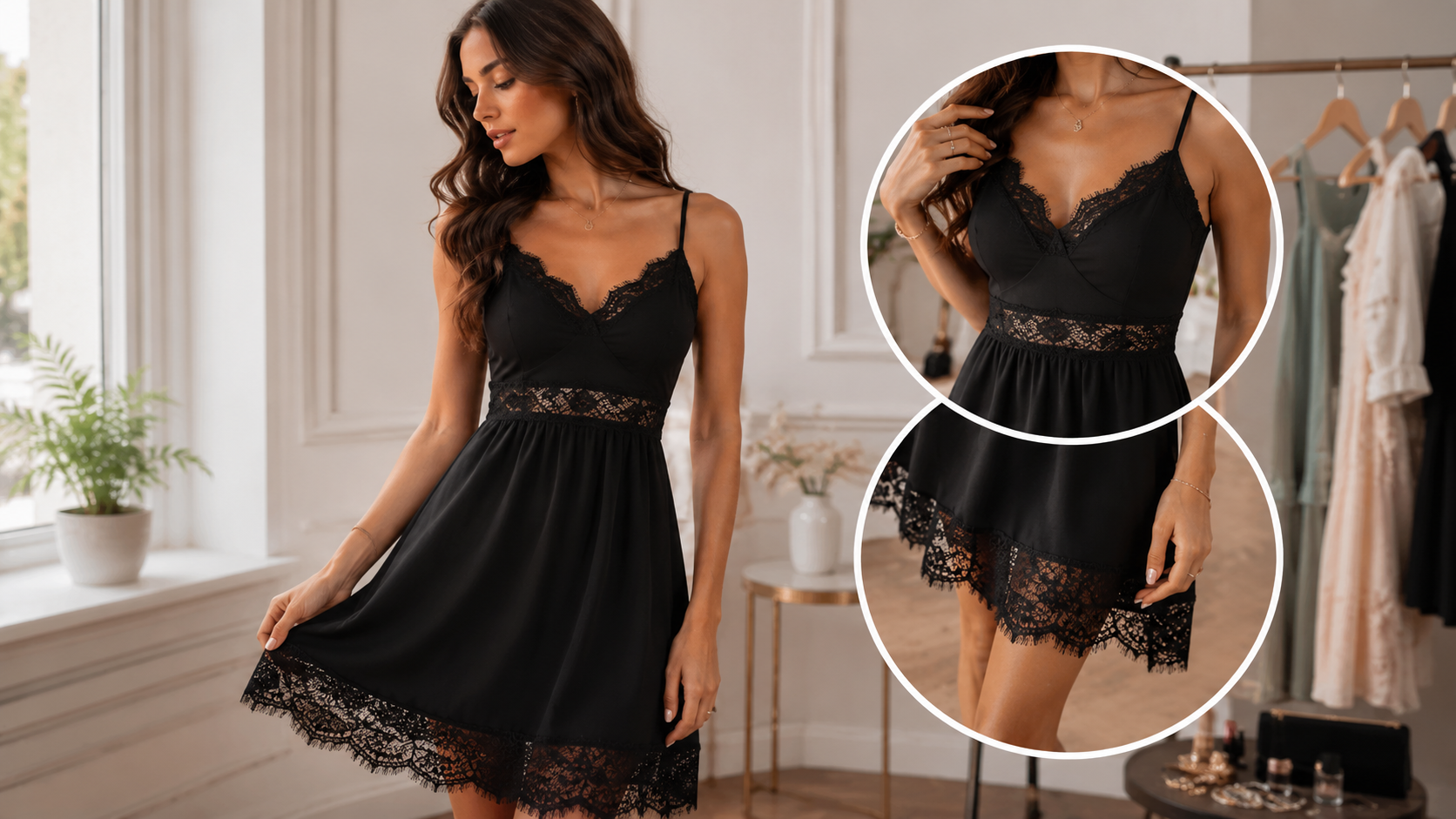
Lace trim dresses show up everywhere from boutique racks to resale apps, and BaeVely is one of the brand names that keeps appearing next to them. If you’ve spotted a BaeVely lace trim dress while browsing and want to know what you’re actually looking at before buying one, here’s what’s worth knowing about the brand and the style itself.
Direct Answer: What Is a BaeVely Lace Trim Dress?
A BaeVely lace trim dress is a women’s dress from BaeVely, a contemporary fashion label under Wellmade Inc, a Los Angeles-based wholesale clothing company. The dresses combine a base fabric, often cotton, linen blends, or lightweight woven fabric, with decorative lace detailing along areas like the neckline, hem, sleeves, or straps. They’re sold as ready-to-wear pieces through boutiques, department stores, and online resale platforms rather than as a single standardized product, so specific styles, colors, and cuts vary by season and retailer.
The Brand Behind the Name
BaeVely comes from Wellmade Inc, a fashion company founded in downtown Los Angeles in 2016. Wellmade operates multiple clothing lines, and BaeVely was launched in 2019 as a contemporary line aimed at a younger customer base, positioned as bold and feminine, alongside the company’s other label, Polagram, which focuses more on modest and everyday fashion.
As a wholesale brand, BaeVely doesn’t primarily sell through a single flagship store. Instead, it supplies boutiques and larger retailers who then sell the pieces under their own storefronts, both physical and online. This is why BaeVely dresses show up across a wide range of independent boutique websites, as well as larger retailers like Target and department-adjacent platforms, rather than being concentrated in one place.
What Defines a Lace Trim Dress Style
“Lace trim” describes a design approach rather than one specific dress. Understanding the category helps make sense of the variety you’ll see under the BaeVely name specifically.
Placement of the lace
Lace trim typically appears at specific points on a dress rather than covering the entire garment. Common placement areas include the neckline, where it frames the face and upper chest; the hem, where it adds movement and visual interest to the bottom of the dress; and the sleeves or straps, where it softens the overall silhouette.
Base fabric
The main body of a lace trim dress is usually a plainer, more structural fabric, cotton, linen blends, or lightweight woven materials being common choices. The lace acts as an accent rather than the dominant fabric, which is part of what distinguishes “lace trim” from a fully lace dress.
Silhouette variety
Because lace trim is a detail rather than a full construction method, it appears across many different dress shapes, including mini, midi, and tiered styles, tie-front summer dresses, and more fitted silhouettes. BaeVely’s catalog specifically has included lace trim details across multiple dress types rather than one single cut.
Styling Considerations
Lace trim dresses tend to sit in a flexible middle ground between casual and dressed-up, which is part of their appeal. A few practical points are worth knowing when deciding how to wear one:
Occasion fit
Lighter-colored lace trim dresses in cotton or linen blends generally read as casual to semi-casual, suitable for daytime events, brunch, or warm-weather outings. Darker colors or dresses with more structured silhouettes can shift the same basic style toward evening or slightly more dressed-up occasions.
Layering
Because lace is often delicate and can be sheer or semi-sheer at the trim areas, some people choose a slip or lining underneath, particularly for dresses with lace paneling near the chest or through the skirt.
Color and print combinations
BaeVely’s lace trim dresses have included both solid colors and printed base fabrics, such as floral or plaid patterns, with lace added as a contrasting textural element. This means the “lace trim” descriptor tells you about a design detail, not necessarily about the overall color story of a specific dress.
Common Mistakes and Misconceptions
Mistake: Assuming “BaeVely lace trim dress” refers to one specific product. Because BaeVely is a wholesale brand producing seasonal collections, there isn’t a single, permanent “lace trim dress” style. Multiple different dresses across different seasons have featured lace trim details, so it’s worth checking the specific listing, style number, or photos rather than assuming uniformity across everything described this way.
Mistake: Expecting identical sizing and fit across retailers. Since BaeVely dresses are sold through many independent boutiques and larger retailers rather than a single storefront, sizing charts and fit descriptions can vary slightly by seller. Checking the specific retailer’s size guide, rather than relying on general assumptions, avoids fit surprises.
Mistake: Treating lace trim as inherently formal. Lace is sometimes associated automatically with formalwear, but lace trim on a casual base fabric, like a cotton sundress, reads very differently than lace on a structured evening dress. The overall silhouette and fabric matter as much as the presence of lace itself.
Mistake: Ignoring care instructions because a dress “looks delicate.” Lace trim can require different washing care than the base fabric, particularly if it includes any stretch or embellishment. Checking the garment’s actual care label, rather than guessing based on appearance, helps avoid damaging the lace detailing.
Where BaeVely Dresses Are Sold
Because BaeVely operates as a wholesale brand rather than a direct-to-consumer-only label, its dresses are distributed through a range of channels, including independent boutiques (both physical and online), select larger retailers, and resale or secondhand marketplaces where previously purchased pieces are resold. Availability of any specific lace trim style depends on the season it was released and which retailers carried it, since wholesale fashion brands typically rotate their catalog frequently.
Key Facts
- BaeVely is a contemporary womenswear brand under Wellmade Inc, founded in Los Angeles in 2016, with BaeVely launched as a line in 2019.
- BaeVely operates as a wholesale brand, meaning its dresses are sold through boutiques and retailers rather than one central storefront.
- “Lace trim” refers to a design detail, lace fabric applied at specific points like the neckline, hem, or straps, rather than a single standardized dress style.
- BaeVely’s lace trim dresses have appeared across multiple silhouettes, including mini, midi, and tiered styles.
- Sizing and specific fit can vary by retailer, since the brand is distributed through many independent sellers.
Frequently Asked Questions
Q1: What is a BaeVely lace trim dress?
Ans: It’s a women’s dress from BaeVely, a Los Angeles-based contemporary fashion brand, featuring decorative lace fabric applied at points like the neckline, hem, or straps over a base fabric such as cotton or linen blend.
Q2: Is BaeVely a well-known brand?
Ans: BaeVely is a wholesale fashion label rather than a large, singularly branded retailer, meaning it’s distributed through many boutiques and retailers rather than operating primarily as its own storefront.
Q3: Where can I buy a BaeVely lace trim dress?
Ans: Availability depends on the specific season and style, since BaeVely sells wholesale to boutiques, select larger retailers, and resale platforms rather than exclusively through one website.
Q4: Does lace trim mean the dress is formal?
Ans: Not necessarily. Lace trim on a casual fabric like cotton generally reads as casual to semi-casual, while lace on more structured or darker-colored dresses can shift toward dressier occasions.
Q5: How should I care for a lace trim dress?
Ans: Check the specific garment’s care label, since lace detailing can sometimes require gentler washing than the base fabric, even when both are part of the same dress.
Q6: Do sizes run consistently across BaeVely dresses?
Ans: Not always. Because BaeVely is distributed through many different retailers, checking the specific seller’s size guide for a given dress is more reliable than assuming consistent sizing across every listing.
Key Takeaways
- BaeVely is a contemporary fashion label under LA-based Wellmade Inc, launched in 2019.
- “Lace trim dress” describes a design detail rather than one fixed product, so styles vary by season and retailer.
- The dresses generally combine a base fabric like cotton or linen with lace accents at the neckline, hem, or straps.
- Occasion suitability depends heavily on the base fabric and color, not just the presence of lace.
- Because BaeVely is a wholesale brand, availability and sizing can vary depending on where a specific dress is purchased.
Conclusion
A BaeVely lace trim dress isn’t a single product so much as a recurring design approach from a Los Angeles wholesale fashion brand: a simple base fabric accented with lace at strategic points. Understanding that the brand works through many different retailers and that “lace trim” describes a detail rather than a fixed style makes it easier to know what to actually look for and check before buying one.
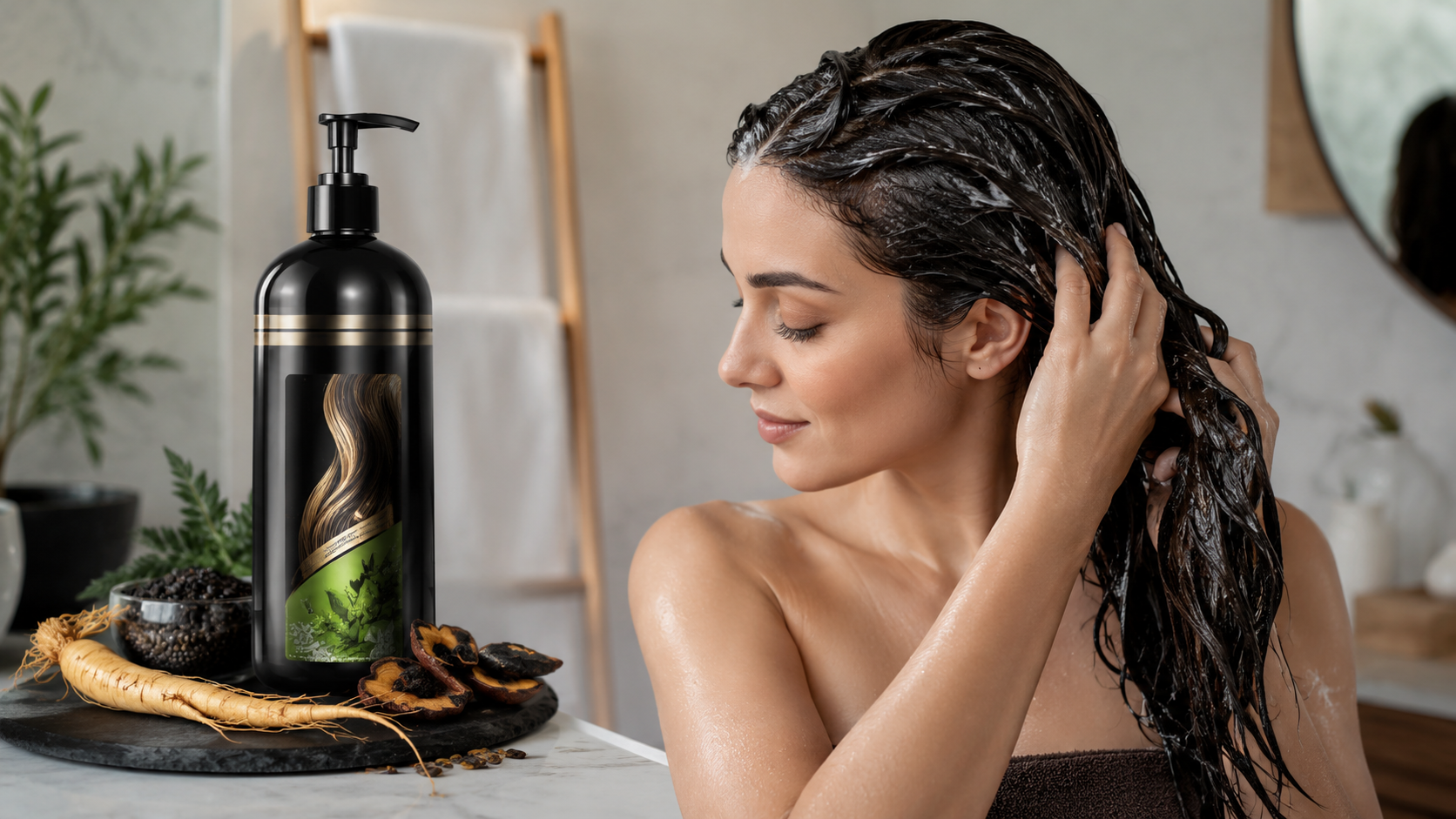
If you’ve spent any time browsing gray-coverage products on Amazon, eBay, or similar marketplaces, there’s a decent chance you’ve come across Shihuanuo. It shows up as a colorful bottle promising to dye your hair while you shampoo, no gloves or mixing bowls required. Before adding it to a cart, it’s worth understanding exactly what the product is, how it’s different from a standard hair dye, and what its safety considerations actually look like.
Direct Answer: What Is Shihuanuo?
Shihuanuo is a hair dye shampoo brand manufactured by Shihuanuo (Guangdong) Biotechnology Co., Ltd., a Chinese company that produces hair coloring and hair care products for its own brand and for other companies as a private-label supplier. Its best-known product is a 3-in-1 shampoo that combines cleansing, coloring, and conditioning in one step, marketed as an ammonia-free option for covering gray hair at home in shades including black, brown, and wine red.
The Company Behind the Brand
Shihuanuo (Guangdong) Biotechnology Co., Ltd. describes itself as a hair-color manufacturer with more than two decades in the industry, operating a large production facility in Guangdong, China, and holding SGS certification, a common third-party quality and safety certification used in manufacturing. The company states that it supplies private-label hair color products to other brands across multiple countries, in addition to selling under its own Shihuanuo name.
This dual role, as both a direct-to-consumer brand and a manufacturer supplying other companies, is worth knowing about, since it explains why shoppers sometimes encounter products with very similar formulations under different brand names. The underlying manufacturing frequently traces back to the same facility.
How the 3-in-1 Shampoo Works
Unlike a traditional hair dye, which usually involves mixing a color cream with a developer and applying it with gloves and a brush, Shihuanuo’s shampoo is designed to be used like an ordinary shampoo. The basic process, according to product listings and instructions, is straightforward:
- Apply the product to wet or damp hair, similar to regular shampoo.
- Massage it into the scalp and through the hair.
- Leave it on for approximately 15 to 20 minutes.
- Rinse thoroughly.
The pigment in the formula deposits color onto the hair’s surface during this process while the shampoo base cleans and conditions at the same time. Because the color sits more on the surface of the hair rather than penetrating as deeply as a permanent dye, results are generally described as semi-permanent, fading gradually over roughly two to four weeks depending on hair type and wash frequency, rather than growing out with a sharp, visible root line the way permanent dye often does.
What’s in It
Shihuanuo markets its shampoo as ammonia-free, and product listings commonly cite plant-derived ingredients such as camellia extract, macadamia oil, ginseng, and reishi mushroom (ganoderma) as part of the formula, alongside its coloring agents. These are generally included for their conditioning properties, such as adding shine or reducing dryness, rather than for the coloring effect itself, which comes from separate colorant compounds in the formula.
It’s worth being direct about one common point of confusion here: being ammonia-free and using herbal ingredients doesn’t automatically mean a product is free of all potentially irritating compounds. Hair dyes, including shampoo-based ones, still rely on colorant chemicals to work, and “natural” or “herbal” branding describes some ingredients in the formula, not necessarily all of them.
Safety Considerations
This is the part of any hair-dye product, Shihuanuo included, that deserves real attention rather than being glossed over.
Patch testing matters, regardless of branding
Dermatologists consistently recommend a patch test before using any new hair dye product, including ammonia-free and herbal-marketed ones. This applies to Shihuanuo the same as it applies to any other hair coloring product, since individual skin sensitivity varies and can’t be predicted from marketing language alone.
PPD and similar compounds are the primary allergy concern in hair dyes generally
Para-phenylenediamine, commonly known as PPD, is the most well-documented allergen associated with hair dye reactions, capable of causing symptoms ranging from mild itching to more serious contact dermatitis. Some products marketed as natural or herbal still contain PPD or closely related compounds like para-toluenediamine (PTD) as part of their actual colorant system, since these compounds are effective at creating color even at lower concentrations. Checking a specific product’s ingredient list, rather than assuming based on “ammonia-free” or “herbal” labeling, is the more reliable way to assess this.
Regulatory oversight differs by region
In the United States, the FDA oversees cosmetic safety broadly but does not require hair dyes to undergo pre-market approval; manufacturers are responsible for ensuring their products are safe when used as directed. In the European Union, the Scientific Committee on Consumer Safety sets specific concentration limits for dye ingredients like PPD, and some substances permitted elsewhere are restricted or banned in the EU. This means the same general product category can face different safety standards depending on where it’s sold.
Frequency of use affects risk
Occasional use is generally described as lower risk than frequent, repeated application, since repeated exposure to any colorant or preservative compound increases the chance of developing sensitivity over time, even to a product used previously without issue.
Common Mistakes and Misconceptions
Mistake: Assuming “ammonia-free” means “risk-free.” Ammonia is one specific ingredient associated with strong odor and some scalp irritation in traditional dyes, but removing it doesn’t eliminate every other ingredient that could cause a reaction. Colorant compounds, preservatives, and fragrance ingredients can all still trigger sensitivity independent of ammonia content.
Mistake: Skipping the patch test because a product is marketed as gentle or herbal. Marketing language describes intent and some ingredients, not a guarantee of universal tolerability. A patch test, applying a small amount to a small area of skin and waiting 24 to 48 hours, remains the most reliable way to check for a personal reaction before full application.
Mistake: Expecting permanent-dye results from a semi-permanent product. Because the product works differently than a traditional permanent dye, expecting the same longevity or gray coverage intensity can lead to disappointment. Semi-permanent color shampoos are generally better suited to gradual gray blending and touch-ups between more thorough coloring sessions than to a single dramatic, long-lasting color change.
Mistake: Assuming identical branding across retailers guarantees an identical formula. Because the manufacturer produces private-label versions for other brands, formulations, and sometimes safety data, can vary between listings even when products look similar. Checking the specific ingredient list on the exact product being purchased is more reliable than assuming consistency across every listing bearing a similar name.
Key Facts
- Shihuanuo is manufactured by Shihuanuo (Guangdong) Biotechnology Co., Ltd., a Chinese hair-color manufacturer that also produces private-label products for other brands.
- Its main product is a 3-in-1 shampoo that cleanses, colors, and conditions hair in one application.
- It’s marketed as ammonia-free, though this doesn’t mean it’s free of all potentially irritating ingredients.
- Color results are semi-permanent, typically lasting two to four weeks depending on hair type and washing frequency.
- Common cited ingredients include camellia extract, macadamia oil, and ginseng, used primarily for conditioning rather than coloring.
- Patch testing is recommended before use, consistent with general dermatological guidance for hair dye products.
Frequently Asked Questions
Q1: What is Shihuanuo?
Ans: Shihuanuo is a hair dye shampoo brand from a Chinese manufacturer, best known for a 3-in-1 product that colors, cleanses, and conditions hair in a single application.
Q2: Is Shihuanuo safe to use?
Ans: Like other hair dye products, its safety depends on individual skin sensitivity and correct use. A patch test before full application is recommended regardless of the product’s ammonia-free or herbal marketing.
Q3: How long does the color last?
Ans: Results are generally described as semi-permanent, typically lasting two to four weeks before gradually fading, depending on hair type and how often it’s washed.
Q4: Does it contain harsh chemicals?
Ans: It’s marketed as ammonia-free, but like most hair dyes, it still relies on colorant compounds to work. Checking the specific ingredient list is the most reliable way to know exactly what’s in a given product.
Q5: Is it the same as products sold under other brand names?
Ans: Not necessarily. The manufacturer produces private-label formulations for other companies, so similar-looking products under different names may or may not share the same exact formula.
Q6: Can it cause allergic reactions?
Ans: Yes, as with any hair dye product. The most commonly cited allergen in hair dyes generally is PPD or related compounds, which can appear even in products marketed as natural or herbal.
Key Takeaways
- Shihuanuo is a 3-in-1 hair dye shampoo produced by a Chinese manufacturer that also makes private-label products for other brands.
- It offers semi-permanent gray coverage through a wash-in process rather than a traditional mix-and-apply dye.
- “Ammonia-free” and “herbal” marketing describes some, not necessarily all, ingredients in the formula.
- Patch testing before use applies to this product the same way it applies to any hair dye.
- Regulatory oversight of hair dye ingredients varies by country, which affects what’s permitted in different markets.
Conclusion
Shihuanuo represents a broader category of convenience-focused hair dye shampoos rather than a single, uniquely formulated product. It offers a genuinely simpler application process than traditional dye kits, and its ammonia-free, herb-inclusive formula appeals to people looking for a gentler-feeling option. But “gentler-feeling” isn’t the same as “guaranteed safe for everyone,” and the same patch-testing caution that applies to any hair coloring product applies here too.
-
 Technology2 months ago
Best Wireless Earbuds Under 200 Dollars 2024: What to Know Before You Buy
-

 News4 months ago
Best Places to See Penguins in the Wild: A Complete Guide
-

 Technology4 months ago
What Is VIPstand? How It Works, Legal Risks, and What You Should Know
-

 News4 months ago
Lake Mead Water Levels: Status, History & Western Impact
-

 Technology4 months ago
Laaster: Meaning, Origins, and What It Says About Harmful Speech
-

 Celebrity4 months ago
Matt Danzeisen: Who He Is, His Career in Finance, and His Life With Peter Thiel
-
 News4 months ago
What Is Epoch Fun? A Complete Guide to the Epoch Times Games Section
-
 Food2 months ago
Best Arroz con Leche Boliviano Near Me: What to Look For