Game
Competitive Edge TheSerpentRogue Players Actually Rely On

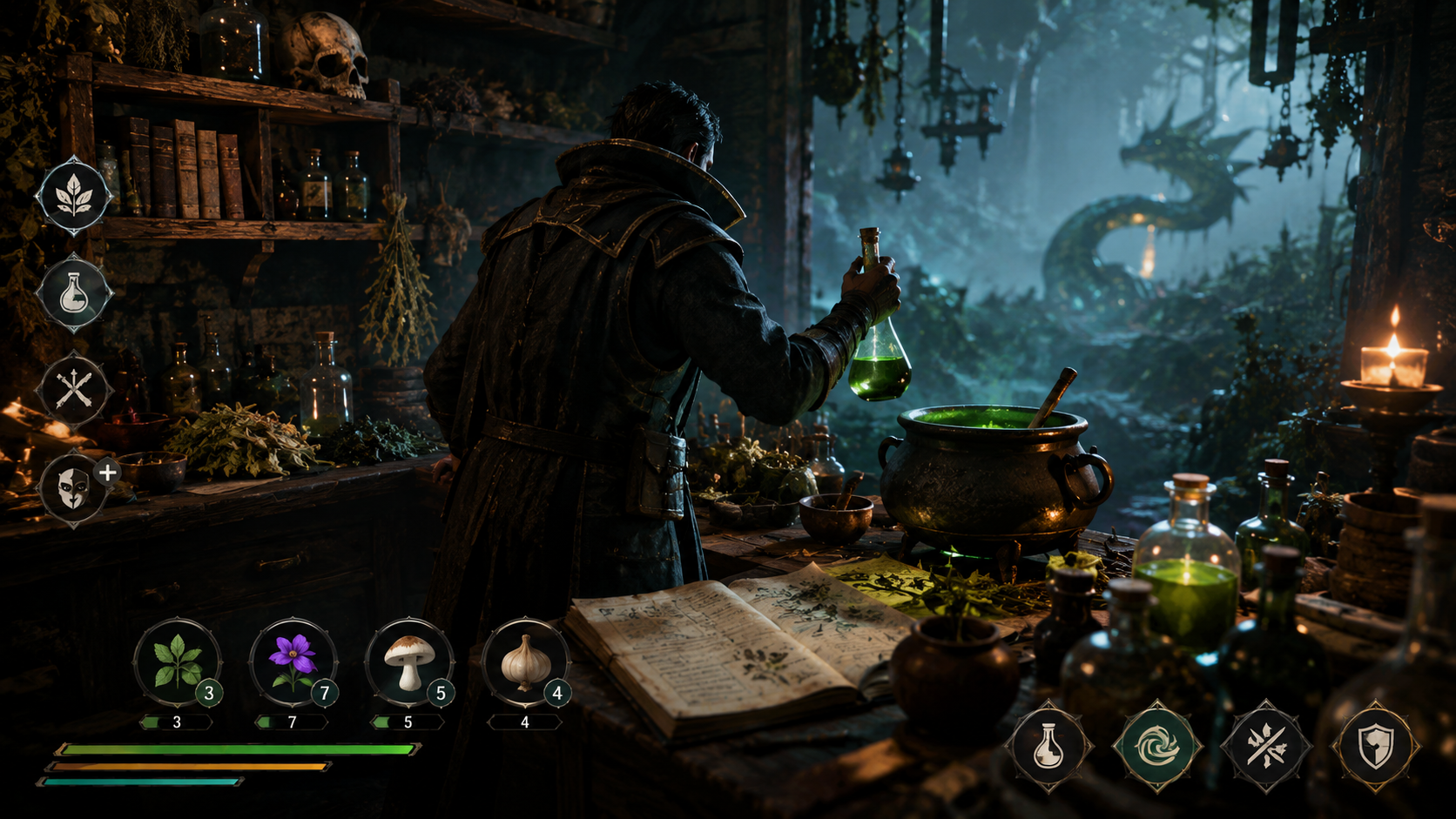
If you’ve spent any time in The Serpent Rogue, you already know it doesn’t hand you an advantage. There’s no leveling-up montage, no obvious power spike, and no leaderboard telling you how you stack up against anyone else. So when players talk about gaining a “competitive edge” in a single-player game with no rankings, it raises a fair question: an edge over what, exactly?
The answer has less to do with beating other players and more to do with beating the game’s systems, which are built to punish guesswork and reward players who actually pay attention. This article breaks down what that edge really means, where it comes from, and how it shows up in practice, so the phrase competitive edge theserpentrogue players keep searching for actually makes sense in context.
Direct Answer: What Does “Competitive Edge” Mean in The Serpent Rogue?
In The Serpent Rogue, competitive edge doesn’t refer to multiplayer ranking, since the game has no PvP or leaderboards. It refers to the gap between players who understand the game’s interconnected systems, alchemy, corruption, resource management, and enemy behavior, and those who rely on trial and error. Players with this edge progress faster, waste fewer resources, and survive longer by recognizing patterns and preparing before encounters rather than reacting to them.
About The Serpent Rogue
The Serpent Rogue is a survival action-adventure game developed by Sengi Games and published by Team17, released on April 26, 2022. It puts players in the role of a Wanderer navigating a corrupted world, using alchemy, exploration, and combat to push back a spreading corruption threatening the land.
Critical reception was mixed but generally positive, with aggregator scores landing in the mid-to-high 70s on platforms like OpenCritic. Reviewers generally praised its ambition and interconnected systems while noting some rough edges in combat feel and pacing. Years after release, it’s still discussed in gaming communities, largely because its systems reward the kind of deep understanding that doesn’t show up on a first playthrough.
Why “Competitive” Applies to a Single-Player Game
It sounds contradictory at first. Competitive edge usually implies competing against other people, and The Serpent Rogue has no online mode to speak of. But the term still fits, because the game itself functions as the opponent.
Enemies react to your choices. The corruption system spreads and evolves based on how you handle it. Resources are limited enough that wasteful decisions compound into real setbacks later. In that sense, the “competition” is between the player and the game’s own systems, and the players who understand those systems consistently outperform those who don’t, even though there’s no scoreboard to prove it. This is really what the competitive edge theserpentrogue discussion boils down to once the multiplayer framing is set aside.
The Core Systems Behind the Edge
Alchemy and Potion Crafting
Alchemy sits at the center of almost everything in The Serpent Rogue. Ingredients gathered through exploration can be combined to create potions with a wide range of effects, from healing to combat buffs to environmental interactions. Many ingredient properties aren’t explained upfront, which means part of the “edge” comes from experimentation and remembering what worked.
Players who build a mental map of ingredient effects, rather than crafting potions randomly, waste far fewer resources and have reliable tools ready before difficult encounters instead of scrambling mid-fight.
Corruption Management
Corruption spreads across the game world and changes how areas and enemies behave over time. Ignoring it in one region can make that area significantly harder to deal with later. Understanding how corruption spreads, and prioritizing which areas to address first, is one of the clearer examples of a mechanical “edge,” since it directly affects how much harder the game becomes as time passes.
Resource Management
Health items, crafting materials, and weapons are all limited. The game doesn’t offer unlimited farming shortcuts, so players who track what they have and plan encounters around it tend to avoid the kind of resource crunch that turns a manageable fight into a failed run.
Enemy Behavior and Pattern Recognition
Enemies in The Serpent Rogue aren’t purely reactive; their behavior shifts based on the state of the world and player actions. Recognizing these patterns, rather than treating every encounter as a fresh unknown, lets experienced players anticipate threats instead of just responding to them after the fact.
Building an Early-Game Strategy
The earliest hours of The Serpent Rogue set the tone for everything that follows, which is why a meaningful competitive edge theserpentrogue veterans describe so often starts with slower, more deliberate early exploration rather than rushing toward the next objective marker.
Spending extra time in the opening areas to test ingredient combinations, even ones that seem obvious or low-value, builds a foundation of knowledge that pays off later when tougher encounters leave less room for trial and error. Players who skip this step often find themselves experimenting for the first time in the middle of a difficult fight, which is a much riskier place to learn.
It also helps to resist the urge to hoard every resource “just in case.” The game is generous enough with common ingredients that using them to learn their effects early is usually a better trade than saving them indefinitely.
Mid-Game and Late-Game Adjustments
As corruption spreads and enemies grow more dangerous, the systems that mattered less early on start to carry more weight. Potion variety becomes more important than potion quantity, since different encounters call for different tools rather than a single reliable option.
This is also where pattern recognition pays off most visibly. Players who’ve tracked how specific enemy types behave can plan encounters instead of improvising through them, which noticeably reduces how often fights turn into resource drains. The competitive edge theserpentrogue players build over time isn’t really about a single late-game trick. It’s the accumulated effect of consistent, small decisions made correctly throughout a playthrough.
How This Differs From Traditional Competitive Games
In most games where “competitive edge” gets used, it refers to mechanical skill against other humans: reaction time, aim, or knowledge of a meta that shifts with patches and balance changes. The Serpent Rogue removes the human opponent entirely, which shifts the entire meaning of the term.
Here, the edge is closer to system mastery than to reflexes. It’s less about how fast you react and more about how well you understand cause and effect within the game’s world. That distinction matters, because it means the players with the strongest edge aren’t necessarily the ones with the fastest hands. They’re the ones who’ve paid the closest attention.
Step-by-Step: Building Your Own Edge
- Explore before committing. Early exploration reveals ingredient locations and environmental patterns that make later decisions easier, rather than rushing into unfamiliar areas underprepared.
- Track ingredient effects as you discover them. Since the game doesn’t always explain properties clearly, keeping mental or written notes prevents repeated experimentation later.
- Address corruption early rather than later. Letting corruption spread unchecked in a region tends to compound difficulty, so tackling it while it’s still manageable pays off.
- Prepare potions before major encounters, not during them. Reactive crafting mid-fight is riskier than showing up with tools already in hand.
- Observe enemy patterns before engaging. Watching how an enemy behaves before committing to a fight reduces wasted resources and unnecessary damage.
- Review failed attempts honestly. Repeated losses in the same area usually point to a specific gap in preparation or understanding, not bad luck.
Common Mistakes and Misconceptions
Expecting a PvP or ranking system. Some players search for competitive edge tips expecting multiplayer mechanics. The Serpent Rogue has neither, and understanding this upfront prevents confusion about what “edge” even means here.
Rushing combat without preparation. The game doesn’t reward pure aggression. Players who treat every encounter as a straightforward fight, without using alchemy or environmental knowledge, tend to burn through resources faster than the game replenishes them.
Ignoring corruption until it becomes urgent. Corruption is a slow-building problem that gets harder to manage the longer it’s left unaddressed. Treating it as a background system rather than a priority is a common and costly mistake.
Assuming ingredient effects are self-evident. Many players skip experimentation because the interface doesn’t explain effects immediately, missing tools that could make later sections significantly easier.
Grinding instead of learning. Repeating the same actions without adjusting strategy after failure rarely resolves the underlying problem, since most setbacks come from a knowledge gap rather than a lack of effort.
Real-World Examples
A player who explores cautiously in the early game, testing ingredient combinations and noting which potions restore health efficiently, will typically handle mid-game encounters with far less resource strain than a player who skipped experimentation and is crafting reactively for the first time under pressure.
Someone who notices corruption spreading in a specific region and addresses it early avoids the compounding difficulty spike that a player ignoring the same region will eventually face, even though both started from the same position.
A returning player who previously struggled with a specific boss or area often finds that a second attempt, informed by better preparation and pattern recognition rather than faster reflexes, resolves the fight far more smoothly than pure repetition would have.
Key Facts
- The Serpent Rogue was developed by Sengi Games and published by Team17, releasing on April 26, 2022.
- The game has no PvP, multiplayer, or leaderboard system, so “competitive edge” refers to mastering the game’s own systems rather than outperforming other players.
- Alchemy and potion crafting form the foundation of most effective strategies in the game.
- Corruption spreads over time and becomes harder to manage the longer it’s ignored in a given area.
- Resource management, rather than combat speed alone, plays a major role in long-term success.
- Critical reception has generally been positive but mixed, with reviewers praising its systems while noting some execution rough edges.
Frequently Asked Questions
Q1: What does competitive edge mean in The Serpent Rogue?
Ans: It refers to the advantage gained from understanding the game’s interconnected systems, alchemy, corruption, resource management, and enemy behavior, rather than any multiplayer ranking, since the game is entirely single-player.
Q2: Is The Serpent Rogue a multiplayer game?
Ans: No. It’s a single-player survival action-adventure game with no PvP or online leaderboard component.
Q3: How important is alchemy to overall success?
Ans: Very important. Alchemy underpins healing, buffs, and many strategic options throughout the game, and players who invest time in understanding it tend to progress more smoothly than those who avoid it.
Q4: Is The Serpent Rogue difficult for new players?
Ans: It can be, mainly because the game doesn’t explain many of its systems upfront. Difficulty tends to come more from unfamiliarity with mechanics than from raw combat challenge.
Q5: What’s the biggest mistake new players make?
Ans: Rushing into combat and exploration without experimenting with alchemy first, which often leads to being underprepared for tougher encounters later.
Q6: Does corruption affect the entire game world at once?
Ans: Corruption spreads regionally and can be managed area by area, though ignoring it for too long in any single region tends to make that area progressively harder to deal with.
Q7: Is there a way to respec or undo mistakes?
Ans: The game generally rewards learning through repeated attempts and adjusted strategy rather than offering a direct undo system, which is part of why understanding systems matters more than any single decision.
Key Takeaways
- Competitive edge in The Serpent Rogue comes from system mastery, not multiplayer skill, since the game has no PvP or rankings.
- Alchemy, corruption management, resource tracking, and enemy pattern recognition form the core of any meaningful advantage.
- Preparing before encounters, rather than reacting during them, consistently outperforms a purely reactive playstyle.
- Common mistakes include rushing combat, ignoring corruption, and skipping ingredient experimentation.
- The edge builds gradually through observation and adjustment, not through faster reflexes alone.
Conclusion
The phrase competitive edge theserpentrogue players search for makes more sense once it’s separated from the usual multiplayer meaning entirely. There’s no opponent to outplay here except the game’s own interconnected systems, and the players who understand alchemy, corruption, and resource limits consistently get more out of their playthroughs than those who treat every encounter as a fresh guess. Building that understanding takes patience rather than speed, which is really the whole point of how the game is designed.

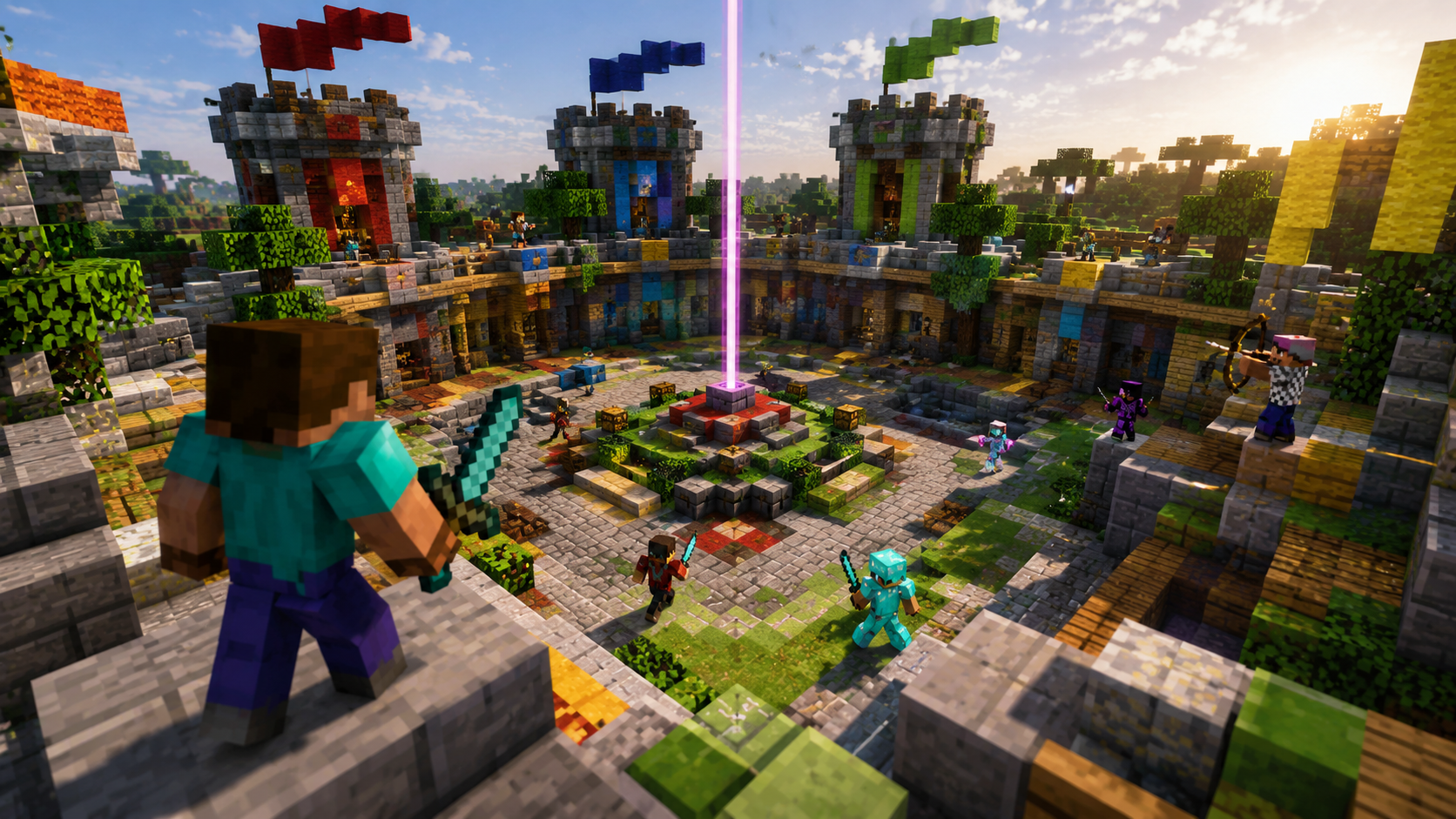
If you’ve searched for Minecraft PlayBattleSquare and come away more confused than when you started, you’re not imagining things. Different pages describe it as a fighting game, a battle royale, a PvP minigame with a shrinking border, and a “community-style topic,” all under the same name. That’s a real problem for anyone trying to figure out what they’re actually looking for, and it’s worth sorting out clearly rather than adding another vague description to the pile.
This article explains what Minecraft PlayBattleSquare verifiably is, why so much conflicting information exists about it, and what to search for instead if what you actually want is a square-arena PvP minigame in Minecraft, since that’s a real and well-documented category even if “PlayBattleSquare” as a specific game isn’t.
Direct Answer: What Is Minecraft PlayBattleSquare?
Minecraft PlayBattleSquare most reliably refers to playbattlesquare.com, a gaming blog that publishes Minecraft guides, gear reviews, and gaming news. It is not an official Mojang feature, a documented plugin, or a verified minigame with consistent rules across sources. Several other websites describe “PlayBattleSquare” as a specific PvP game mode, but these descriptions conflict with each other on basic details like match length and mechanics, which suggests the term has been used inconsistently rather than referring to one confirmed thing.
Why the Information Online Is So Inconsistent
This is worth addressing directly, because it’s the actual reason the search results feel confusing. Multiple articles describe “PlayBattleSquare” as a specific Minecraft minigame, but they don’t agree with each other. Some describe it as a standalone fighting game in a small arena. Others describe a battle-royale-style mode with a shrinking border and matches lasting up to twenty minutes. Still others describe it more vaguely, as a general “competitive gameplay topic” connected to arenas and mini-games without pinning down specific rules.
None of these descriptions cite an official source, a specific server network, or a documented plugin that players could actually go install or join. That pattern, several confident but contradictory explanations with no verifiable origin, is a sign that the term got picked up and reinterpreted by different content sites rather than describing one real, consistent game.
The one detail that holds up across sources is that playbattlesquare.com exists as an actual website publishing Minecraft-related content. That’s a real, checkable fact. The specific “game mode” descriptions built around the name are not.
What Minecraft PlayBattleSquare Blog Actually Covers
Based on the site’s own structure, playbattlesquare.com organizes its content into a few main areas: Minecraft guides covering builds, redstone mechanics, and survival tips; general gaming and gear advice; and a news section covering broader industry updates. It functions as a content site aimed at Minecraft players and general gaming audiences, publishing new articles on a regular schedule.
If you landed on the term through a blog post or guide referencing “PlayBattleSquare,” there’s a reasonable chance you were reading content from or about this site, rather than instructions for joining a specific in-game mode.
If You’re Actually Looking for a Square-Arena PvP Minigame
There’s a good chance the confusion exists because square, symmetrical arena PvP is a real and popular category within Minecraft’s minigame ecosystem, even though it isn’t tied specifically to the name PlayBattleSquare. If that’s what you’re after, it helps to know what this category actually looks like.
Common Types of Arena PvP Minigames
Free-for-all arenas drop every player into a shared space with equal starting gear, and the last player standing wins. These are common on many Minecraft minigame server networks and don’t require teams or complex objectives.
Team-based arena combat splits players into two or more groups, often with color-coded kits, and focuses on eliminating the opposing team within a time limit or until one side is eliminated.
Practice and warm-up arenas, sometimes called “duel” or “combo” servers, focus purely on one-on-one fights in small, symmetrical spaces, often used by competitive PvP players to practice movement and combat timing outside of a full match.
Kit-based PvP, where every player starts with an identical loadout rather than gathering resources mid-match, removes randomness from starting conditions and puts the focus entirely on player skill.
What Makes These Minigames Popular
Symmetrical arena design matters because it removes positional advantage. When every player starts with equal access to space, cover, and resources, outcomes depend more on skill and decision-making than on spawn luck. This is a common design principle across many competitive Minecraft server minigames, regardless of what a specific server or mode happens to be branded.
Short match length is another common feature. Rounds in this genre typically run from a few minutes up to around fifteen or twenty minutes, which keeps games fast-paced and allows players to jump into new matches quickly rather than committing to a long survival session.
How to Find a Real Arena PvP Server
- Search Minecraft server lists directly, using terms like “PvP arena server” or “Minecraft minigame network,” rather than a specific unverified name, to get more reliable, actively maintained results.
- Check server activity and player counts before joining, since minigame servers can shut down or lose population over time, and outdated guides sometimes reference servers that no longer run.
- Confirm the platform you’re on. Some servers are Java Edition only, others support Bedrock, and a smaller number support full cross-platform play, so checking compatibility avoids wasted setup time.
- Read the specific game mode rules on the server itself once you join, since kit contents, match length, and scoring vary between networks even within the same broad genre.
- Try a few different servers if your first choice doesn’t match what you expected, since naming conventions for this genre aren’t standardized across the community.
Common Mistakes and Misconceptions
Assuming every gaming blog description is verified fact. Content about niche or ambiguous search terms sometimes gets published with confident-sounding specifics that aren’t actually sourced from anywhere official, which is exactly what happened with several PlayBattleSquare “guides.”
Treating a blog’s name as a confirmed in-game feature. A website covering Minecraft content isn’t the same as an official game mode, plugin, or Mojang-recognized feature, even if articles blur that distinction.
Assuming all arena PvP minigames follow identical rules. Match length, kit contents, and scoring vary significantly between servers, even within the same general genre, so checking a specific server’s rules matters more than relying on a generic description.
Searching only the exact ambiguous term. If a search term returns inconsistent or contradictory results across multiple sources, broadening the search to more established categories, like “Minecraft PvP server” or “arena minigame server,” usually produces more reliable results.
Real-World Examples
Someone who read a blog post referencing “PlayBattleSquare” while looking for Minecraft build tips was likely reading content published by the playbattlesquare.com blog itself, rather than instructions for a specific game mode.
A player specifically wanting fast, symmetrical PvP matches would get a more reliable result searching general terms like “Minecraft arena PvP server” or checking established Minecraft server list sites, rather than searching for an unverified branded term.
Someone trying to verify whether a described game mode is real can check for a specific server IP, a linked plugin page, or developer documentation. If a description only offers general claims without any of those, that’s a sign the information isn’t independently verifiable.
Key Facts
- Minecraft PlayBattleSquare most reliably refers to a gaming blog at playbattlesquare.com covering Minecraft guides and gaming news.
- Multiple online sources describe “PlayBattleSquare” as a specific PvP game mode, but their descriptions conflict with each other on basic mechanics.
- No official Mojang feature, documented plugin, or verifiable server network matches the specific claims made about a “PlayBattleSquare” minigame.
- Square, symmetrical arena PvP is a real and common minigame category in Minecraft, independent of this specific unverified name.
- Kit-based, team-based, and free-for-all arena formats are the most common types of this broader minigame genre.
- Checking for a specific server IP, plugin, or official documentation is a reliable way to verify whether a described Minecraft feature is real.
Frequently Asked Questions
Q1: Is Minecraft PlayBattleSquare an official Mojang feature?
Ans: No. There’s no evidence of an official Mojang-developed game mode by this name. The most verifiable match for the term is a gaming blog covering Minecraft content.
Q2: Why do different websites describe PlayBattleSquare so differently?
Ans: Because the term appears to have been picked up and reinterpreted by multiple content sites without a single verified source, resulting in inconsistent, sometimes contradictory descriptions of what it supposedly involves.
Q3: Is there a real Minecraft minigame like the one described in some guides?
Ans: Square-arena PvP minigames do exist and are a well-established category on many Minecraft server networks, though they aren’t specifically tied to the name PlayBattleSquare.
Q4: How can I find a legitimate PvP arena server?
Ans: Searching established terms like “Minecraft PvP arena server” or checking dedicated Minecraft server list sites is more reliable than searching for an unverified branded name.
Q5: Should I trust a guide that describes specific match rules for PlayBattleSquare?
Ans: Treat it with some caution unless it links to a specific, active server or documented plugin, since several existing guides describe conflicting rules without citing a verifiable source.
Q6: Is playbattlesquare.com a legitimate website?
Ans: Based on available information, it functions as an active gaming content blog publishing Minecraft guides and gaming news, which is distinct from being a game or minigame itself.
Key Takeaways
- Minecraft PlayBattleSquare most reliably refers to a gaming content blog, not a confirmed in-game feature or minigame.
- Descriptions of it as a specific game mode conflict with each other across sources, which is a sign the information isn’t independently verified.
- Square-arena PvP is a real and popular Minecraft minigame category, just not one specifically confirmed to be tied to this name.
- Verifying a specific server, plugin, or official source is the most reliable way to check whether a described Minecraft feature actually exists.
- Searching broader, established terms tends to produce more reliable results than searching an ambiguous or unverified branded term.
Conclusion
The confusion around Minecraft PlayBattleSquare comes down to a name that’s been used inconsistently across gaming content sites, some of it referring to an actual blog, some of it describing a game mode that doesn’t have a verifiable, consistent source behind it. The most reliable takeaway is that playbattlesquare.com functions as a Minecraft-focused content blog, while the broader category of square-arena PvP minigames it’s sometimes associated with is real, well-documented, and easy to find through established Minecraft server communities once you search for it directly rather than through this specific ambiguous name.
-

 Technology2 months ago
Best Wireless Earbuds Under 200 Dollars 2024: What to Know Before You Buy
-

 News4 months ago
Best Places to See Penguins in the Wild: A Complete Guide
-

 Technology4 months ago
What Is VIPstand? How It Works, Legal Risks, and What You Should Know
-

 News4 months ago
Lake Mead Water Levels: Status, History & Western Impact
-

 Technology4 months ago
Laaster: Meaning, Origins, and What It Says About Harmful Speech
-

 Celebrity4 months ago
Matt Danzeisen: Who He Is, His Career in Finance, and His Life With Peter Thiel
-
 News4 months ago
What Is Epoch Fun? A Complete Guide to the Epoch Times Games Section
-

 Food2 months ago
Best Arroz con Leche Boliviano Near Me: What to Look For