
News
Longest Bridge in the World: What Holds the Record and Why

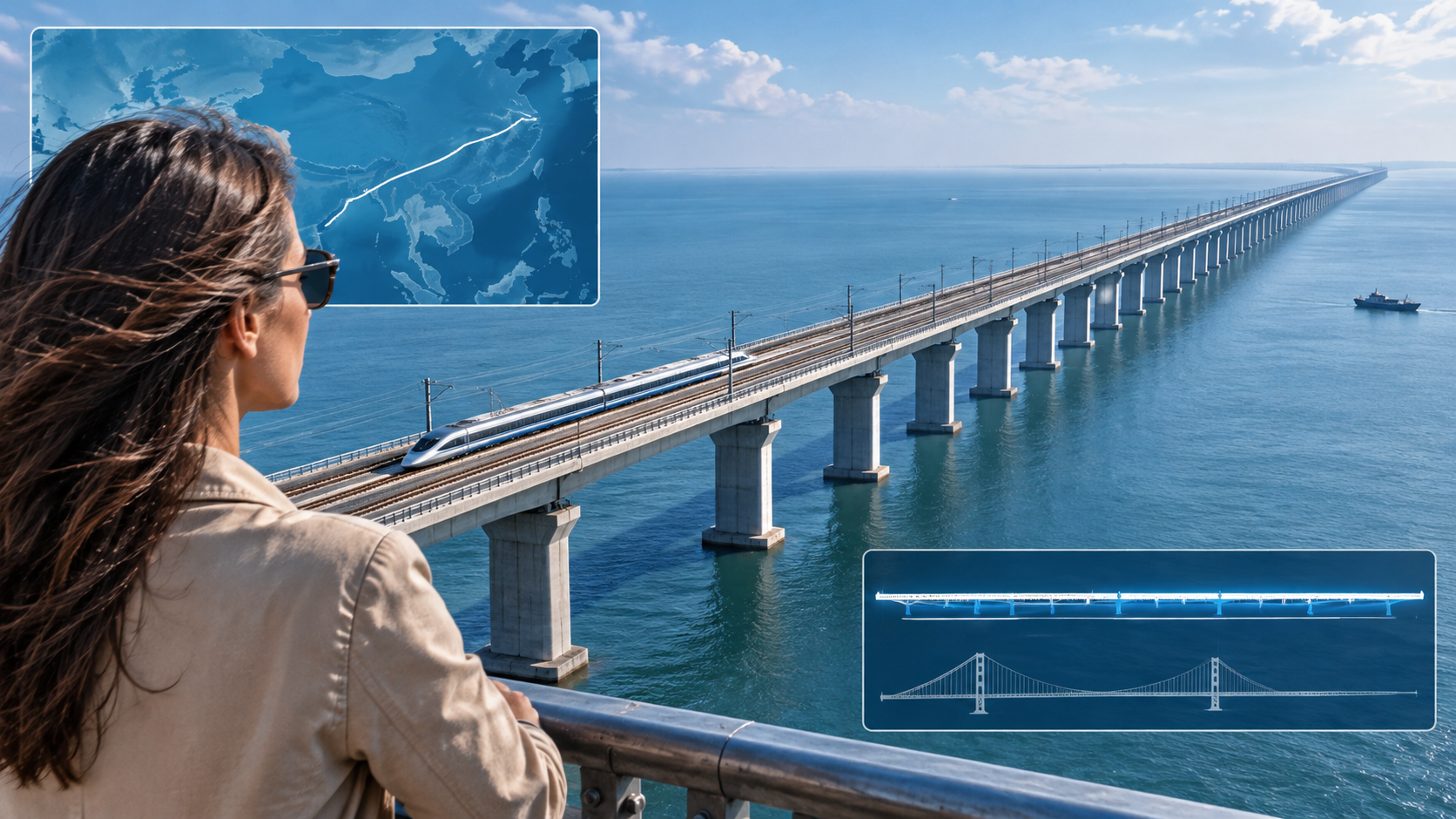
When people picture the Longest Bridge in the World, they often imagine something dramatic, a suspension bridge soaring over a canyon or a strait, cables stretching toward the sky. The actual record holder looks nothing like that. It’s a low, unassuming viaduct running for over a hundred miles across flat farmland, and most people who’ve never heard of it are surprised to learn it beats out every famous bridge they could name, combined several times over.
Direct Answer: What Is the Longest Bridge in the World?
The longest bridge in the world is the Danyang–Kunshan Grand Bridge in Jiangsu Province, China, measuring approximately 164.8 kilometers (102.4 miles) in total length. Completed in 2010 and opened in 2011, it carries the Beijing–Shanghai High-Speed Railway across rice paddies, canals, rivers, and lakes. It holds the Guinness World Record for the longest bridge of any type and allows trains to travel at speeds up to 350 km/h.
Why the Record Holder Isn’t What Most People Expect
The gap between what people imagine and what actually holds the record comes down to bridge type. Famous bridges like the Golden Gate Bridge or the Akashi Kaikyō Bridge are suspension bridges, built to cross a single significant gap, a strait, a bay, a canyon, using towers and cables to support a long unsupported span. These bridges are engineering marvels in a very specific way: they maximize the distance between support points.
The Danyang–Kunshan Grand Bridge is a viaduct, a very different kind of structure. Rather than crossing one large gap, it’s a continuous, elevated structure built on a long series of support piers, stretching across a huge total distance over mixed terrain, mostly flat land, water, and wetlands. Viaducts don’t need to maximize single-span length the way suspension bridges do, which is why they can rack up an enormous total length, in this case, more than 100 miles, without needing the dramatic single-span engineering that makes suspension bridges visually striking.
How Bridge Length Is Actually Measured
This is worth understanding, because it explains why different sources sometimes cite different “longest bridge” answers, and why several bridges can reasonably claim different superlatives at once. There isn’t one universal standard for measuring bridge length. Common measurement approaches include:
Total length
The full continuous structure, from one end to the other, including approach sections. This is the measurement that puts the Danyang–Kunshan Grand Bridge in first place.
Main span
The single longest unsupported stretch between two support towers. This measurement favors suspension and cable-stayed bridges, and by this standard, the record belongs to Turkey’s 1915 Çanakkale Bridge, with a main span of 2,023 meters.
Continuous length over water
The longest uninterrupted stretch of bridge specifically over water, without touching land in between. The Lake Pontchartrain Causeway in Louisiana holds the Guinness World Record in this specific category, at roughly 38.4 kilometers (23.87 miles).
Aggregate length over water
Total combined length of bridge segments over water, even where separated by land in between. This measurement can rank certain bridges differently than the continuous-over-water standard.
Because these standards measure genuinely different things, a bridge that’s the longest by one definition may not appear in the top ranks by another. This is why “longest bridge in the world” doesn’t have a single, context-free answer, it depends specifically on which measurement is being used.
The Top Longest Bridges by Total Length
Based on total structural length, the current top-ranked bridges in the world include:
- Danyang–Kunshan Grand Bridge, China — approximately 164.8 km (102.4 miles), carrying the Beijing–Shanghai High-Speed Railway.
- Changhua–Kaohsiung Viaduct, Taiwan — a high-speed rail viaduct running roughly 157 km, part of Taiwan’s High Speed Rail network.
- Cangde Grand Bridge, China — another major Chinese high-speed rail viaduct exceeding 100 km in length.
- Tianjin Grand Bridge, China — part of the Beijing–Shanghai High-Speed Railway, also exceeding 100 km.
- Lake Pontchartrain Causeway, USA — roughly 38.4 km, and the longest bridge specifically over continuous water.
China’s dominance in this ranking isn’t a coincidence. The country’s rapid buildout of high-speed rail infrastructure over the past two decades has produced viaduct after viaduct engineered to carry trains across huge distances of relatively flat terrain, a very different engineering priority than the dramatic strait or bay crossings that produce record-setting suspension bridges elsewhere in the world.
Why These Massive Bridges Get Built
Understanding the purpose behind these structures helps explain why they’re built at this scale in the first place. High-speed rail viaducts like the Danyang–Kunshan Grand Bridge aren’t primarily built to cross one obstacle, they’re built to keep a train traveling at high, consistent speed across long distances of uneven or unstable ground, including wetlands, rice paddies, and waterways, without needing to slow down for at-grade crossings or uneven terrain. Elevating the entire route solves multiple engineering problems at once: it avoids disrupting agricultural land and waterways below, it keeps the rail bed stable across soft or shifting ground, and it lets trains maintain speeds up to 350 km/h across the full route.
The Danyang–Kunshan Grand Bridge specifically cut travel time on the Beijing–Shanghai route from over 10 hours to about 4.5 hours, illustrating the practical payoff behind this kind of infrastructure investment.
Common Mistakes and Misconceptions
Mistake: Assuming the longest bridge must be a famous suspension bridge. Total-length rankings are dominated by viaducts, particularly high-speed rail viaducts in China, rather than the suspension bridges most people associate with record-setting engineering.
Mistake: Treating “longest bridge” as having one single, universal answer. Because there’s no single standard for measuring bridge length, total length, main span, and continuous-over-water length can each produce a different “longest” answer, all of which are accurate within their specific category.
Mistake: Assuming the Golden Gate Bridge or similarly famous bridges rank near the top globally. Despite its fame, the Golden Gate Bridge ranks around 19th in the world by main span length, and doesn’t come close to appearing in total-length rankings dominated by much longer viaducts.
Mistake: Assuming record-holding bridges are primarily for cars. Many of the longest bridges by total length, including the current record holder, are railway viaducts, not highway bridges, which is part of why they don’t match the popular image of a “bridge” most people picture.
Key Facts
- The Danyang–Kunshan Grand Bridge in China is the longest bridge in the world by total length, at approximately 164.8 km (102.4 miles).
- It carries the Beijing–Shanghai High-Speed Railway and was completed in 2010, opening in 2011.
- The bridge cut travel time between Beijing and Shanghai from over 10 hours to about 4.5 hours.
- By main span, the longest bridge is Turkey’s 1915 Çanakkale Bridge, at 2,023 meters.
- The Lake Pontchartrain Causeway in Louisiana holds the record for longest continuous bridge over water.
- China holds most of the top spots in total-length rankings, largely due to its extensive high-speed rail viaduct network.
Frequently Asked Questions
Q1: What is the longest bridge in the world?
Ans: The Danyang–Kunshan Grand Bridge in Jiangsu Province, China, holds the record at approximately 164.8 kilometers (102.4 miles) in total length.
Q2: Is the Danyang–Kunshan Grand Bridge a road bridge?
Ans: No. It’s a railway viaduct, carrying the Beijing–Shanghai High-Speed Railway, not a highway bridge for vehicle traffic.
Q3: Why isn’t the Golden Gate Bridge one of the longest bridges in the world?
Ans: The Golden Gate Bridge ranks around 19th globally by main span length and doesn’t appear in total-length rankings, which are dominated by much longer viaducts, particularly in China.
Q4: What’s the longest bridge over water?
Ans: The Lake Pontchartrain Causeway in Louisiana holds the Guinness World Record for the longest bridge continuously over water, at roughly 38.4 kilometers.
Q5: Why does China have so many of the world’s longest bridges?
Ans: China’s extensive high-speed rail expansion over the past two decades has required numerous long viaducts to carry trains across flat terrain, wetlands, and waterways at high, consistent speeds.
Q6: How is bridge length actually measured?
Ans: There’s no single universal standard. Common methods include total structural length, longest main span between support towers, and longest continuous stretch specifically over water, each producing different rankings.
Key Takeaways
- The Danyang–Kunshan Grand Bridge in China is the current record holder for longest bridge in the world by total length.
- It’s a high-speed rail viaduct, not a highway bridge, which differs from what many people expect the record holder to look like.
- Bridge length has multiple valid measurement standards, so different “longest bridge” claims can all be accurate depending on the category.
- China dominates total-length rankings due to its extensive high-speed rail infrastructure.
- Famous bridges like the Golden Gate Bridge rank well outside the top of global length rankings despite their cultural prominence.
Conclusion
The world’s longest bridge isn’t the dramatic, cable-suspended crossing most people picture when they hear the phrase. It’s a 102-mile railway viaduct built to solve a very different engineering problem: keeping a high-speed train stable and fast across a long stretch of soft, uneven terrain. Understanding how bridge length gets measured, and why total length, main span, and over-water length all tell different stories, makes it much easier to see why several very different bridges around the world can each legitimately claim a version of the “longest” title.
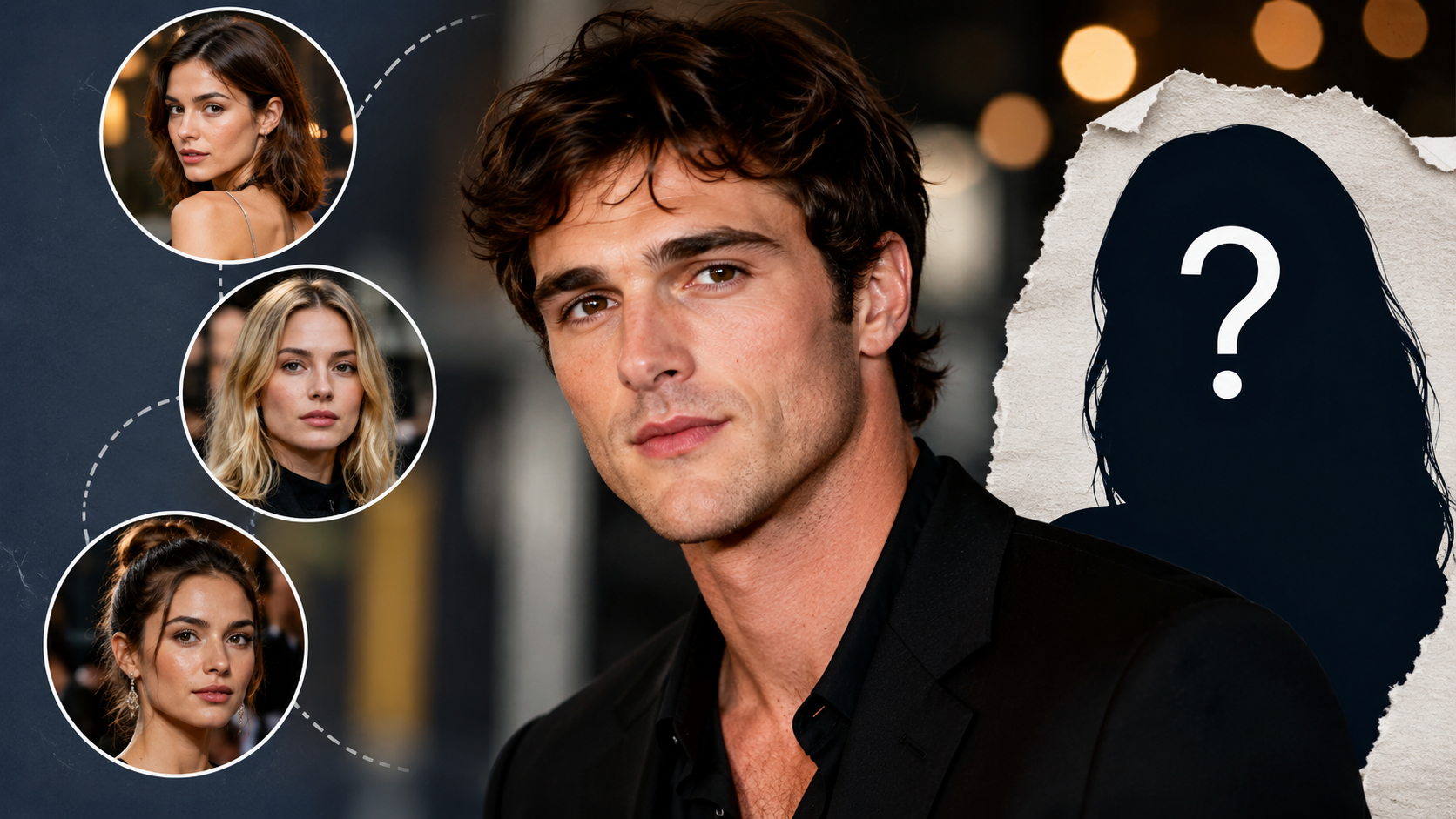
Jacob Elordi has spent the last several years as one of Hollywood’s most talked-about leading men, and that kind of attention comes with constant curiosity about his personal life. Between his breakout role in Euphoria and more recent films like Frankenstein and Wuthering Heights, fans keep asking the same question: who is Jacob Elordi’s girlfriend right now? The honest answer is a bit complicated, since Elordi keeps his relationships mostly private and rarely confirms anything himself.
Quick Answer: Is Jacob Elordi Dating Anyone?
As of early 2026, Jacob Elordi’s relationship status is unconfirmed. He has an on-again, off-again history with influencer Olivia Jade Giannulli that dates back to 2021, with the most recent reconciliation reports surfacing in January 2026. He has also been linked to model Kendall Jenner following sightings at Coachella. Neither relationship has been publicly confirmed by Elordi himself.
Why Jacob Elordi’s Love Life Gets So Much Attention
Elordi built his early fame playing romantic leads, first in The Kissing Booth films and then in Euphoria, where his on-screen chemistry with co-star Zendaya spilled into real-life dating rumors. That pattern has followed him through his career: several of his real relationships have started with co-stars or overlapped with high-profile press tours. Combine that with a famously private personality, and you get a recipe for constant speculation every time he’s photographed with someone new.
Olivia Jade Giannulli: The On-Again, Off-Again Relationship
The relationship most associated with Jacob Elordi is with Olivia Jade Giannulli, a lifestyle influencer and the daughter of actress Lori Loughlin and designer Mossimo Giannulli. Their romance rumors first started in December 2021, shortly after Elordi’s split from model Kaia Gerber.
How the Relationship Developed
The two were first spotted getting coffee together in Los Angeles in late 2021, though early reports on whether they were officially dating conflicted with one another. Over the next several years, their relationship followed a pattern of breakups and reunions:
- 2022: The pair reportedly split in August, citing a lack of seriousness on either side.
- 2023: They reconciled and were seen traveling together, including a trip to Idaho to visit Giannulli’s parents.
- 2024: Breakup rumors surfaced again, but the couple was later seen vacationing together in Sardinia, Italy.
- August 2025: People reported the couple had split for good, citing long-distance challenges.
- September 2025: They reconciled once more, and Giannulli attended the Toronto International Film Festival premiere of Elordi’s film Frankenstein.
- October 2025: Sources described the relationship as “fully over,” with one insider telling People they were “not getting back together.”
- January 2026: The two were spotted together again in New York City, including a dinner with Elordi’s parents, sparking fresh reconciliation rumors.
Neither Elordi nor Giannulli has publicly addressed their relationship status since that January sighting, which is fairly typical of how the couple has always handled media attention.
Kendall Jenner Rumors
In early 2026, new reports linked Elordi to model Kendall Jenner after the two were reportedly seen together during Coachella weekend. Sources described the pair as “hanging out” for a couple of months, though nothing has been officially confirmed by either party. Given Elordi’s history of unconfirmed relationships, these reports should be treated as speculation rather than established fact.
A Look Back: Jacob Elordi’s Previous Relationships
Elordi’s dating history includes several relationships that made headlines well before Olivia Jade.
Zendaya
Elordi and his Euphoria co-star Zendaya were linked starting in August 2019, after they were seen vacationing together in Greece. The two were later photographed being affectionate in New York City, and Elordi even joined Zendaya’s family in Sydney, Australia. Their relationship was never formally confirmed by either actor, which set the tone for how Elordi would handle future dating rumors.
Kaia Gerber
Elordi dated model Kaia Gerber from around September 2020 until November 2021. Their relationship overlapped with the tail end of the pandemic era, when public appearances were less frequent, so much of what’s known comes from limited sightings rather than confirmed statements.
Joey King
Elordi’s relationship with The Kissing Booth co-star Joey King is one of his earliest publicly discussed romances. The two met on set when King was around 18 and Elordi around 20, and their relationship was confirmed at the time, unlike most of his later romances.
Common Misconceptions
Misconception: Every rumored relationship is confirmed. Most outlets covering Elordi’s love life rely on “sources” or “insiders,” which is standard for celebrity reporting but does not amount to confirmation from Elordi or the person he’s rumored to be dating.
Misconception: Elordi is active on social media, so his relationships would show up there. Elordi has said directly that he has no relationship with social media, which is part of why so much of his dating life is pieced together from paparazzi photos and unnamed sources rather than posts or public statements.
Key Facts
- Jacob Elordi is an Australian actor known for Euphoria, Saltburn, Priscilla, Frankenstein, and Wuthering Heights.
- His most documented relationship is with influencer Olivia Jade Giannulli, on and off since December 2021.
- Recent reports from early 2026 link him to model Kendall Jenner, though this remains unconfirmed.
- Past relationships include Zendaya, Kaia Gerber, and Joey King.
- Elordi has publicly stated he avoids social media and keeps his personal life private.
Worth Noting
Celebrity relationship reporting often relies on secondhand sourcing, and Jacob Elordi’s situation is a clear example of that. Multiple outlets have reported conflicting updates on the same relationship within the same month, which says less about the accuracy of any single report and more about how little Elordi and his rumored partners actually confirm. Readers looking for a definitive answer on his current girlfriend should treat any specific name as a developing story rather than settled fact.
Frequently Asked Questions
Q1: Who is Jacob Elordi’s girlfriend?
Ans: There is no publicly confirmed girlfriend as of the most recent reports. He has an on-and-off history with Olivia Jade Giannulli and has recently been linked to Kendall Jenner, but neither relationship has been confirmed.
Q2: Is Jacob Elordi still with Olivia Jade?
Ans: Reports from January 2026 suggest the two may have reconciled after an October 2025 breakup, but neither has confirmed their current status.
Q3: Did Jacob Elordi date Zendaya?
Ans: Yes, the two were linked from 2019 into 2020, though neither publicly confirmed the relationship.
Q4: Is Jacob Elordi dating Kendall Jenner?
Ans: The two have been linked in rumors since early 2026, but this has not been officially confirmed by either party.
Q5: Why doesn’t Jacob Elordi talk about his relationships publicly?
Ans: He has said in interviews that he prefers to keep his personal life separate from his acting career and avoids social media entirely.
Key Takeaways
- Jacob Elordi’s relationship status is currently unconfirmed.
- His longest-documented relationship is with Olivia Jade Giannulli, marked by repeated breakups and reunions since 2021.
- Recent rumors connect him to Kendall Jenner, though nothing is confirmed.
- His past relationships include Zendaya, Kaia Gerber, and Joey King.
- Elordi avoids social media and rarely discusses his personal life publicly.
Conclusion
Jacob Elordi’s dating life has generated years of headlines, but very little of it comes from Elordi himself. His on-and-off relationship with Olivia Jade Giannulli remains the most documented romance in his history, while newer rumors involving Kendall Jenner add another layer of speculation. Given his consistent preference for privacy, the clearest answer to who Jacob Elordi is dating may simply be that fans will have to wait for him to say so himself.

Introduction
Tennessee held its 2026 primary election on August 6, setting the stage for a high-stakes general election on November 3. Voters are searching for TN election results because this cycle includes an open governor’s race, a U.S. Senate contest, all nine U.S. House seats, and dozens of state legislative races. With Governor Bill Lee term-limited and unable to run again, this is the first competitive governor’s race in Tennessee in nearly a decade.
This guide breaks down what happened in the August primary, what’s still ahead in November, and how to find accurate, up-to-date results as they’re certified.
Direct Answer
Tennessee’s August 6, 2026 primary produced nominees for the November 3 general election. On the Republican side, U.S. Senator Marsha Blackburn won the gubernatorial primary over Congressman John Rose and Monty Fritts. Democrat Jerri Green won her party’s nomination for governor. Bill Hagerty ran unopposed for the Republican U.S. Senate nomination, and Marquita Bradshaw won the Democratic Senate primary. All results remain unofficial until county election commissions certify them.
Understanding Tennessee’s 2026 Election Cycle
Tennessee runs its major statewide races on a two-step calendar: a primary election in early August, followed by a general election in November. In 2026, that meant:
- August 6, 2026 — Primary elections for governor, U.S. Senate, U.S. House, the Tennessee General Assembly, and many county offices, including judicial retention votes.
- November 3, 2026 — The general election, where primary winners face off against each other and any independent candidates.
Tennessee uses open primaries. That means a voter isn’t registered with a party in advance. On primary day, they simply choose whether to pick up a Republican or Democratic ballot. This system tends to draw more participation than closed-primary states, but it also means primary turnout doesn’t always reflect a party’s true base of registered supporters, since crossover voting is legal.
Why This Election Cycle Matters
Tennessee hasn’t had an open governor’s race decided by term limits in this way since Bill Lee first won in 2018. Bill Lee is finishing his second term and, under Tennessee’s constitution, cannot seek a third consecutive term. That guarantees a new governor takes office in January 2027, regardless of which party wins.
The state has also trended solidly Republican in statewide races for years. Democrats haven’t won a statewide race in Tennessee since Phil Bredesen’s re-election as governor in 2006, and they haven’t won a U.S. Senate seat there since 1990. That history shapes expectations for November, even though nominees from both parties are campaigning hard.
August 6 Primary Results
Primary results below reflect the count as of election night and the days after. Tennessee counties have until August 24 to formally certify results, so numbers can shift slightly, though the overall winners are not expected to change.
Governor
On the Republican side, U.S. Senator Marsha Blackburn won the nomination, finishing well ahead of U.S. Representative John Rose and businessman Monty Fritts. Blackburn’s win means Tennessee could see a Senate vacancy filled by appointment if she wins in November, since the governor and outgoing Governor Lee would be responsible for naming her Senate replacement until a special election.
On the Democratic side, Memphis Democrat Jerri Green won her party’s nomination, defeating museum president Carnita Atwater and several other candidates.
Green and Blackburn will face each other on the November 3 general election ballot.
U.S. Senate
Incumbent Republican Senator Bill Hagerty, who first won his seat in 2020 with about 62% of the vote, ran unopposed in the Republican primary. On the Democratic side, Marquita Bradshaw — an environmental activist from Memphis who was also the party’s 2020 Senate nominee — won her primary over several other Democratic candidates.
Hagerty enters the general election with a substantial financial advantage and the benefit of incumbency, while Bradshaw is making a second run for the seat.
U.S. House
Tennessee has nine U.S. House seats, and primary contests played out differently district by district. Some incumbents ran unopposed, while others faced real primary challenges. Notably, one sitting Republican congressman lost his primary bid for renomination, a reminder that incumbency doesn’t guarantee a smooth path even in safely partisan districts.
State Legislature
All 33 seats in the Tennessee Senate weren’t up this cycle — only 17 of them were, matching the normal staggered schedule for that chamber. All 99 seats in the Tennessee House of Representatives were on the ballot, as they are every two years. Going into 2026, Republicans held large majorities in both chambers: 75 of 99 House seats and 27 of 33 Senate seats. Many legislative primaries were uncontested, particularly in seats that are considered safe for one party.
How Tennessee’s Election Process Works
Understanding the mechanics helps make sense of why results take time to finalize.
- Polls close. On election night, polling locations close at 7 p.m. Central/8 p.m. Eastern, depending on the county’s time zone.
- Unofficial results post. The Tennessee Secretary of State’s office and county election commissions begin posting unofficial vote totals as precincts report.
- Absentee and provisional ballots are processed. These can take additional days to fully count, especially in close races.
- County election commissions certify results. Each county has a deadline — typically a couple of weeks after election day — to make results official.
- The state certifies statewide totals. Once every county has certified, the Secretary of State certifies the statewide outcome.
- Any recounts or contests are resolved, if a race is close enough to trigger one under state law.
This process is why numbers reported on election night sometimes shift slightly by the time results are finalized, even though the winner is rarely in question except in genuinely close races.
Common Mistakes and Misconceptions
Mistake: Assuming election-night numbers are final. Election-night tallies are unofficial. Certification can adjust vote totals by small amounts as absentee and provisional ballots are fully processed.
Misconception: The primary winner automatically wins the general election. Tennessee leans Republican in most statewide races, but that’s a historical pattern, not a guarantee. General election turnout and dynamics can differ from the primary.
Misconception: Open primaries mean voters are registered by party. Tennessee doesn’t register voters by party at all. A voter’s primary ballot choice in one election says nothing about how they’ll vote in the next one.
Mistake: Confusing the primary and general election dates. The August primary determines each party’s nominee. The November general election determines who actually holds the office.
What Happens Next: The November 3 General Election
With nominees set, the general election campaign moves into its next phase. Key races to watch:
- Governor: Marsha Blackburn (R) vs. Jerri Green (D)
- U.S. Senate: Bill Hagerty (R) vs. Marquita Bradshaw (D)
- U.S. House: All nine seats, with most considered safe for one party based on district lines
- Tennessee General Assembly: Control of both chambers, though Republican majorities are not seriously contested statewide
Because Blackburn is running for governor while keeping her Senate seat until the end of her term, her Senate seat itself is not on this year’s ballot — only Hagerty’s seat is up in 2026. If Blackburn wins the governorship, filling her Senate seat becomes a separate process involving a gubernatorial appointment and eventually a special election.
Key Facts
- Tennessee’s 2026 primary was held August 6; the general election is November 3.
- Governor Bill Lee is term-limited and not on the 2026 ballot.
- Marsha Blackburn won the Republican gubernatorial primary; Jerri Green won the Democratic gubernatorial primary.
- Bill Hagerty ran unopposed for the Republican U.S. Senate nomination; Marquita Bradshaw won the Democratic nomination.
- Tennessee uses open primaries — voters choose a party ballot on election day rather than registering by party in advance.
- Democrats have not won a statewide race in Tennessee since 2006 (governor) or a U.S. Senate seat since 1990.
- County election commissions had until August 24, 2026 to certify primary results.
FAQ
Q1: What are the TN election results for 2026?
Ans: The August 6 primary set the general election matchups: Marsha Blackburn (R) vs. Jerri Green (D) for governor, and Bill Hagerty (R) vs. Marquita Bradshaw (D) for U.S. Senate. The general election that decides who wins these offices is November 3, 2026.
Q2: How does Tennessee’s primary election work?
Ans: Tennessee has open primaries. Any registered voter can choose a Republican or Democratic ballot at their polling place; there’s no advance party registration.
Q3: When are Tennessee election results official?
Ans: Results are unofficial on election night. County election commissions certify results within a set window afterward — 2026 primary results were due for certification by August 24.
Q4: Where can I find official Tennessee election results?
Ans: The Tennessee Secretary of State’s website posts official results by county and by race, alongside candidate filings and election calendars.
Q5: Is voting in Tennessee’s primary the same as registering with a party?
Ans: No. Choosing a ballot on primary day doesn’t register a voter with that party or restrict which ballot they can choose in future elections.
Q6: Who is running for governor of Tennessee in 2026?
Ans: Republican Marsha Blackburn and Democrat Jerri Green are the major-party nominees following the August primary, with the general election on November 3, 2026.
Key Takeaways
- Tennessee’s 2026 primary was held August 6; the general election is November 3.
- Marsha Blackburn and Jerri Green will compete for governor; Bill Hagerty and Marquita Bradshaw will compete for U.S. Senate.
- Primary results are unofficial until county certification, typically a couple of weeks after election day.
- Tennessee’s open primary system lets voters pick a party ballot without registering by party.
- Historical trends favor Republicans in statewide races, but the general election outcome isn’t decided until November 3.
Conclusion
Tennessee’s 2026 election results tell a two-part story: an August primary that set the field, and a November general election that will decide who actually holds office. The governor’s race is especially notable this year because term limits guarantee new leadership in Nashville, regardless of the outcome. As results move from unofficial to certified, and as the general election campaign unfolds, the Tennessee Secretary of State’s office remains the most reliable place to track official, up-to-date numbers.

Most people researching Hugo car insurance already know the basic pitch: flexible payments, no big down payment. What’s harder to find is a straight answer on what it actually costs, how the quote process works, and what signing up really involves from start to finish. This breaks down the practical side, pricing, quotes, sign-up, and cancellation, that matters most once you’re ready to decide.
Direct Answer: How Much Does Hugo Car Insurance Cost?
Hugo car insurance rates vary significantly by state, age, driving record, and coverage level, with liability-only estimates from third-party comparison sites ranging roughly from $121 to $215 per month, and full coverage estimates ranging from about $215 to $330 per month. Hugo doesn’t publish fixed pricing on its own site, since rates depend on individual driver factors, but it does offer free, fast online quotes, and its actual cost structure is based on small, flexible payments rather than one lump monthly premium.
Why Hugo’s Pricing Isn’t a Single Number
Unlike a flat subscription price, car insurance premiums are calculated individually for each driver, which explains why different comparison sites report noticeably different average rates for Hugo. Age, driving history, location, vehicle type, and coverage level all factor into the final quote, the same variables that affect pricing at any traditional insurer.
Several independent comparison sites have published differing average estimates for Hugo, generally landing somewhere between $121 and $215 a month for liability coverage, and between $215 and $330 a month for full coverage, depending on the driver profile used in each analysis. Because Hugo doesn’t publish standardized rate tables itself, treating any single number as a guaranteed price is a mistake, the only way to know your actual cost is to request a personal quote.
How Hugo’s Cost Compares to Traditional Insurers
For many drivers, Hugo’s liability-only rates run somewhat higher than the national average for comparable coverage. Some comparison data puts national average liability rates for a mid-career adult driver around $97 to $100 a month, while Hugo’s liability quotes tend to land higher for the same driver profile.
This tradeoff matters because Hugo isn’t necessarily competing on the lowest possible monthly rate. It’s competing on accessibility, no large upfront payment, fast digital sign-up, and short coverage terms as short as three days. For certain drivers, particularly those who don’t drive often or need coverage for a short, specific window, that flexibility can offset a higher per-month rate compared to a traditional six-month policy.
Step-by-Step: How to Get a Hugo Quote
Getting a quote from Hugo is designed to be quick, and the process generally follows these steps:
- Visit Hugo’s website or open the app. Hugo is available both as a website and as a mobile app for iOS and Android.
- Click “Get Started.” This begins Hugo’s quote questionnaire.
- Enter personal and vehicle information. This typically includes your name, date of birth, driver’s license number, ZIP code, and vehicle identification number (VIN).
- Review your personalized quote. Hugo calculates a daily rate based on the information provided, which determines your total cost for whatever coverage term you choose.
- Select a plan and coverage term. Choose between available plans and a purchase term, generally three, seven, 14, or 30 days, or longer.
According to Hugo’s own support documentation, getting a quote typically takes under a minute, with full policy purchase generally completing in under five minutes for drivers who have their license and VIN on hand.
What You Need Before Signing Up
Having a few details ready in advance speeds up the process considerably:
- Driver’s license number
- Vehicle identification number (VIN)
- Home address and ZIP code
- A payment method to link to your account
Because Hugo’s sign-up process is entirely digital, there’s no need to speak with an agent by phone unless you specifically want to, which is part of what makes the process faster than some traditional insurers’ onboarding.
How Payment and Renewal Work After Sign-Up
Once a policy is active, Hugo’s ongoing payment structure follows the same flexible logic as its initial sign-up. Customers can choose to add funds manually at whatever interval works for them, every three days, weekly, biweekly, or monthly, or turn on Auto Reload for automatic payments. When a prepaid balance runs low, Hugo sends an alert prompting a reload to keep coverage continuous.
This structure means there’s no single fixed “monthly bill” the way there is with most traditional insurers. Instead, total monthly cost is really the daily rate multiplied by the number of days in that period, which is why quoted “monthly” costs from comparison sites are really an estimate based on a 30-day rate, not a fixed subscription charge.
Canceling a Hugo Policy
Canceling coverage is also handled digitally, without a required phone call, which Hugo highlights as a specific advantage over some traditional insurers that require speaking with a representative to cancel. Since coverage is prepaid in short increments, choosing not to reload your balance effectively ends coverage once the current paid period runs out.
One state-specific detail worth knowing: in South Carolina, due to state law, members who want to cancel within the first 60 days of a policy must confirm they’ve either purchased insurance elsewhere or sold or disposed of their vehicle, a requirement tied to that state’s rules around maintaining continuous coverage.
Common Mistakes and Misconceptions
Mistake: Assuming a quoted average rate reflects your personal cost. Published average rates vary widely across comparison sites, generally because they’re based on different sample driver profiles. Your actual quote depends on your specific age, location, driving record, and vehicle, which can differ significantly from any published average.
Mistake: Assuming Hugo is always the cheapest option. For many drivers, particularly those with a clean driving record and stable income who don’t mind a larger upfront payment, a traditional six-month policy from another insurer may actually cost less overall than Hugo’s flexible, higher per-day liability rate.
Mistake: Not comparing quotes before switching. Because Hugo’s flexible payment structure is the main draw for many shoppers, it’s easy to overlook comparing the actual total cost against traditional carriers. Gathering a few quotes elsewhere before committing helps confirm whether Hugo’s flexibility is worth any price difference for your specific situation.
Mistake: Assuming sign-up requires extensive paperwork. Hugo’s process is built to be fast and fully digital. Most sign-ups can be completed in under five minutes with just a license number, VIN, and payment method on hand, without mailed documents or phone calls.
Key Facts
- Hugo doesn’t publish fixed pricing; rates are calculated individually based on driver and vehicle information.
- Third-party comparison sites report average liability rates for Hugo generally between $121 and $215 per month, varying by source and driver profile.
- Getting a quote typically takes under a minute, with full sign-up completing in under five minutes.
- Sign-up requires a driver’s license number, VIN, address, and a linked payment method.
- Policies can be purchased in terms as short as three days, up to six months.
- Cancellation can be completed digitally without a required phone call, except for a specific attestation requirement in South Carolina within the first 60 days.
Frequently Asked Questions
Q1: How much does Hugo car insurance cost per month?
Ans: Estimates from comparison sites generally range from about $121 to $215 per month for liability coverage, and $215 to $330 for full coverage, though your actual quote depends on your specific driver profile and state.
Q2: How do I get a Hugo insurance quote?
Ans: Visit Hugo’s website or app, click “Get Started,” and enter your personal and vehicle information, including your driver’s license number and VIN, to receive a personalized quote in under a minute.
Q3: What do I need to sign up for Hugo car insurance?
Ans: You’ll need your driver’s license number, vehicle identification number (VIN), address, and a payment method to link to your account.
Q4: Can I cancel Hugo insurance anytime?
Ans: Yes, generally without needing to call anyone. One exception applies in South Carolina, where canceling within the first 60 days requires confirming you’ve secured insurance elsewhere or disposed of the vehicle.
Q5: Is Hugo car insurance cheaper than traditional insurers?
Ans: Not always. Liability-only rates from Hugo tend to run higher than some national averages, though its lack of a large upfront payment can still make it more accessible for drivers who struggle with traditional insurers’ initial costs.
Q6: How long does Hugo’s sign-up process take?
Ans: According to Hugo’s own support resources, most drivers can complete sign-up in under five minutes if they have their license and VIN ready in advance.
Key Takeaways
- Hugo’s pricing isn’t fixed; it’s calculated individually, with published averages varying by comparison source and driver profile.
- Liability rates tend to run higher than some national averages, while the appeal lies mainly in flexible, low-upfront payments.
- Getting a quote takes under a minute, and full sign-up typically takes under five minutes with the right information on hand.
- Canceling is generally simple and phone-free, aside from a specific South Carolina requirement within the first 60 days.
- Comparing Hugo’s quote against traditional insurers is worth doing before committing, since flexibility and lowest cost aren’t always the same thing.
In Short
Hugo’s cost structure trades a lower upfront barrier for a pricing model that can run higher per month than some traditional insurers, particularly for liability-only coverage. Getting an accurate answer on cost means requesting a personal quote rather than relying on any single published average, since your actual rate depends on factors specific to you. The sign-up and cancellation process, by contrast, is about as straightforward as digital insurance gets: a few pieces of information, a linked payment method, and no required phone calls at either end.
-

 Technology2 months ago
Best Wireless Earbuds Under 200 Dollars 2024: What to Know Before You Buy
-

 News4 months ago
Best Places to See Penguins in the Wild: A Complete Guide
-

 Technology4 months ago
What Is VIPstand? How It Works, Legal Risks, and What You Should Know
-
 News4 months ago
Lake Mead Water Levels: Status, History & Western Impact
-

 Technology4 months ago
Laaster: Meaning, Origins, and What It Says About Harmful Speech
-

 Celebrity4 months ago
Matt Danzeisen: Who He Is, His Career in Finance, and His Life With Peter Thiel
-

 News4 months ago
What Is Epoch Fun? A Complete Guide to the Epoch Times Games Section
-

 Food2 months ago
Best Arroz con Leche Boliviano Near Me: What to Look For