Garden
Lyposingrass: What It Is, How It Works, Benefits, Uses, and Important Facts

Introduction
If you have recently come across the term lyposingrass, you may be wondering whether it is a real plant, a dietary supplement, a wellness trend, or simply an internet buzzword. Interest in lyposingrass has grown rapidly across health blogs, social media platforms, and wellness websites. However, information about it remains inconsistent and sometimes contradictory.
Some sources describe lyposingrass as a nutrient-rich grass with potential health and environmental benefits, while others suggest it is primarily a marketing term without a recognized botanical identity. This uncertainty leaves many readers searching for clear, trustworthy answers.
Direct Answer
Lyposingrass is a term that appears frequently in wellness and supplement-related content, but there is currently no widely recognized scientific or botanical species officially known as lyposingrass. Depending on the source, it may refer to a grass-like herbal ingredient, a wellness concept, or a marketing label used for plant-based health products. Because scientific evidence is limited, consumers should approach health claims about lyposingrass with caution.
What Is Lyposingrass?
Lyposingrass is commonly presented as a natural plant ingredient associated with wellness, nutrition, digestion, and overall health. However, one of the biggest challenges when researching the topic is the lack of a standardized definition.
Different websites describe it in different ways:
- A perennial grass with nutritional properties
- A herbal supplement ingredient
- A wellness concept focused on healthy living
- A marketing term for plant-based products
- A blend of grass-derived nutrients and herbal extracts
Because there is no universally accepted botanical classification, researchers and consumers should be careful when evaluating claims associated with the name.
Why Has Lyposingrass Become Popular?
Several factors have contributed to the growing popularity of lyposingrass.
Growing Interest in Natural Wellness
Many people are looking for plant-based approaches to support healthy lifestyles. Terms associated with natural ingredients often attract attention because they appear less processed than conventional products.
Social Media Exposure
Health trends often spread quickly through blogs, videos, and social media discussions. Lyposingrass has benefited from this type of exposure, even though reliable scientific information remains limited.
Interest in Green Superfoods
Consumers are increasingly familiar with products such as wheatgrass, barley grass, spirulina, and moringa. Lyposingrass is frequently positioned within this broader category of nutrient-focused plant foods.
The Claimed Nutritional Profile of Lyposingrass
Although no official nutritional standard exists for lyposingrass, many descriptions suggest it contains nutrients commonly found in grasses and leafy plants.
These may include:
- Dietary fiber
- Vitamin A
- Vitamin C
- Vitamin E
- Iron
- Potassium
- Magnesium
- Plant antioxidants
- Chlorophyll compounds
These nutrients are often associated with general wellness and healthy dietary patterns. However, the exact nutritional composition may vary significantly depending on the specific product or plant being marketed as lyposingrass.
How Lyposingrass Is Commonly Used
Herbal Tea
Some users brew dried lyposingrass leaves into herbal teas. These teas are often promoted as soothing beverages that may support digestion and relaxation.
Powdered Supplements
Powdered forms are frequently mixed into:
- Smoothies
- Protein shakes
- Juice blends
- Wellness drinks
This approach resembles the way wheatgrass and barley grass powders are consumed.
Capsules and Extracts
Certain supplement manufacturers market lyposingrass in capsule or extract form for convenience.
Traditional Herbal Preparations
Some sources claim that communities in tropical and subtropical regions have historically used grass-like plants similar to lyposingrass in traditional wellness practices. However, documentation supporting these claims remains limited.
Potential Benefits Associated With Lyposingrass
It is important to emphasize that many of the following benefits are based on traditional use, nutrient content, or anecdotal reports rather than strong clinical evidence.
May Support Digestive Health
Fiber-rich plants can help support normal digestion, regular bowel movements, and a healthy gut environment.
Many lyposingrass descriptions highlight fiber as one of its key characteristics.
Real-World Example
Someone who struggles to consume enough vegetables may add a plant-based powder to smoothies as part of a broader effort to increase fiber intake.
May Provide Antioxidants
Antioxidants help protect cells from oxidative stress caused by free radicals.
Several sources describe lyposingrass as containing antioxidant compounds such as vitamins A, C, and E.
May Contribute to Nutrient Intake
If lyposingrass products contain the nutrients commonly reported, they could contribute small amounts of vitamins and minerals to a balanced diet.
May Support General Wellness
Some users report feeling more energetic or balanced after incorporating plant-based supplements into their routine. However, such experiences are subjective and cannot be considered scientific proof.
The Scientific Evidence: What Do We Actually Know?
This is where caution becomes important.
Currently, there is little publicly available clinical research specifically focused on lyposingrass. Several sources acknowledge that direct human studies are limited or unavailable.
As a result:
- Many health claims remain unverified.
- Long-term safety data is limited.
- Effectiveness has not been firmly established.
- Benefits are often inferred from similar plants rather than lyposingrass itself.
For this reason, lyposingrass should not be viewed as a treatment, cure, or replacement for medical care.
Environmental and Agricultural Significance
Some descriptions of lyposingrass focus less on nutrition and more on environmental benefits.
Soil Stabilization
Deep root systems can help reduce soil erosion and improve soil structure.
Drought Resistance
Many sources portray lyposingrass as a hardy plant capable of growing in challenging conditions.
Sustainable Agriculture
Grass species with strong root systems are often used as cover crops and soil-improvement plants. Some writers suggest lyposingrass could serve similar functions.
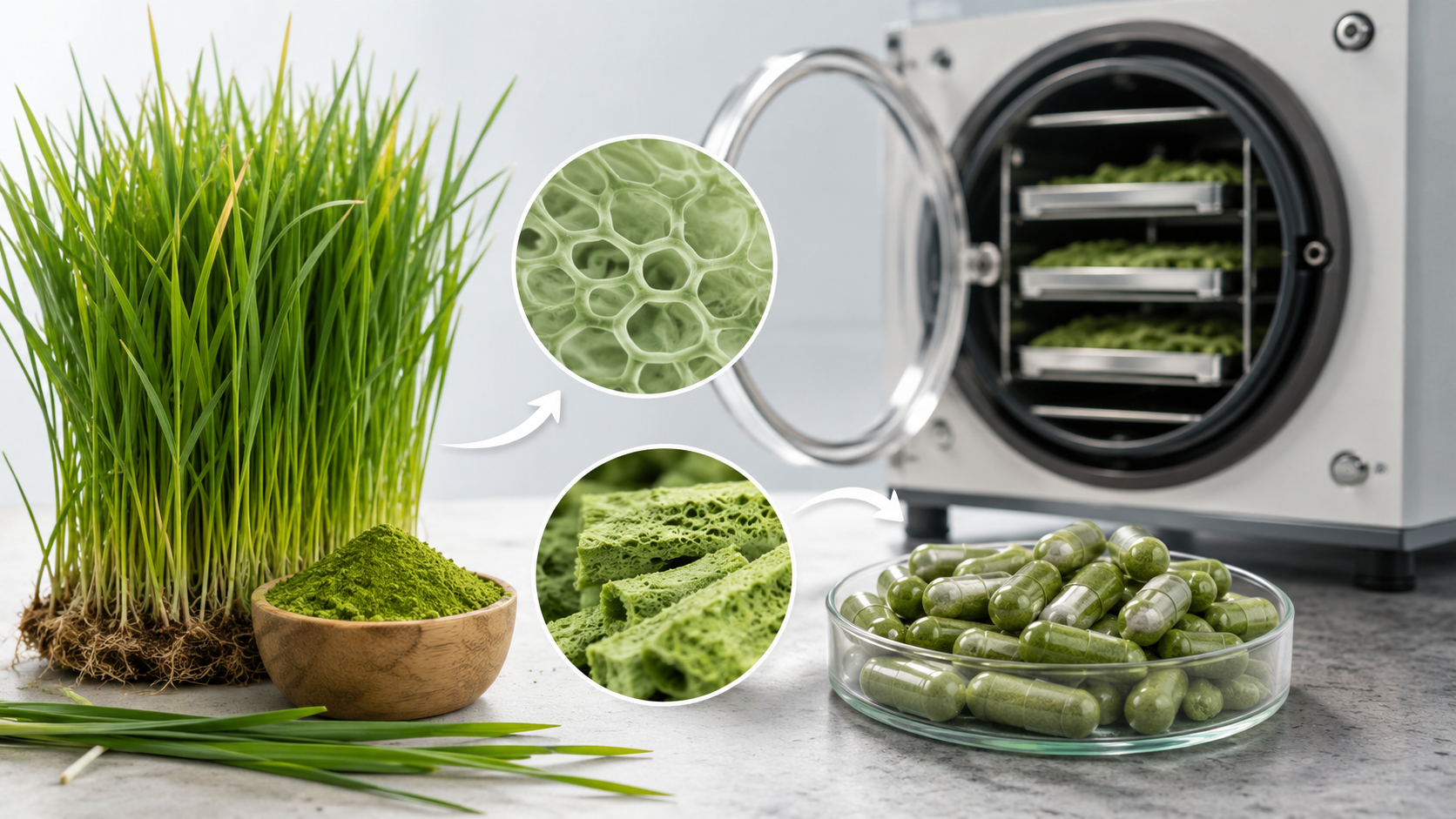
How Lyposingrass Is Often Processed
When sold as a wellness product, lyposingrass may undergo several processing stages.
Step 1: Harvesting
Plant material is collected at maturity.
Step 2: Drying
Many manufacturers use low-temperature drying methods to preserve nutrients and plant compounds.
Step 3: Grinding
The dried material is processed into powder.
Step 4: Packaging
The final product may be packaged as:
- Capsules
- Tea bags
- Loose powder
- Liquid extracts
Step 5: Consumer Use
Users incorporate the product into drinks, meals, or supplement routines.
Risks and Limitations
Lack of Standardization
One of the biggest concerns is that different products may use the term lyposingrass to describe different ingredients.
Limited Clinical Research
Without large-scale human studies, it is difficult to verify many health claims.
Potential Allergic Reactions
Like many plant-based products, allergic reactions may occur in sensitive individuals.
Misleading Marketing
Some products make dramatic promises regarding weight loss, detoxification, or rapid health improvements.
Consumers should be skeptical of claims that sound too good to be true.
Common Misconceptions About Lyposingrass
Myth: Lyposingrass Is a Scientifically Proven Superfood
Reality: There is currently limited scientific evidence specifically supporting lyposingrass.
Myth: It Guarantees Weight Loss
Reality: No strong clinical evidence shows that lyposingrass directly causes significant weight loss.
Myth: It Can Replace Healthy Eating
Reality: No supplement can replace a balanced diet rich in whole foods.
Myth: Every Lyposingrass Product Contains the Same Ingredients
Reality: Product formulations may differ significantly.
Key Facts About Lyposingrass
- The term lacks a universally accepted botanical definition.
- It is often marketed as a plant-based wellness ingredient.
- Nutrient claims commonly include fiber, vitamins, and antioxidants.
- Clinical research remains limited.
- Product formulations can vary widely.
- Some sources describe environmental and agricultural applications.
- Consumers should evaluate health claims carefully.
- It should not replace professional medical advice.
Frequently Asked Questions
Q1: What is lyposingrass?
Ans: Lyposingrass is a term used in wellness content and supplement marketing. There is currently no universally recognized scientific plant species with that exact name.
Q2: How does lyposingrass work?
Ans: Claims suggest it may provide fiber, vitamins, minerals, and antioxidants. However, evidence regarding its specific effects remains limited.
Q3: Is lyposingrass safe?
Ans: Most sources describe it as generally similar to other plant-based products, but safety depends on the actual ingredients used. Individuals with allergies or medical conditions should seek professional advice.
Q4: Is lyposingrass legal?
Ans: In most regions, plant-based supplements are legal when they comply with local regulations. However, regulations vary by country.
Q5: Can lyposingrass help with weight loss?
Ans: Some products promote weight-management benefits, but strong scientific evidence supporting these claims is lacking.
Q6: Is lyposingrass a real plant?
Ans: The answer is unclear. Some sources describe it as a specific plant, while others state that it is primarily a marketing or wellness term rather than a recognized botanical species.
Q7: What should consumers know before using it?
Ans: Consumers should verify ingredients, review available research, and avoid relying on unsupported health claims.
Key Takeaways
- Lyposingrass is an emerging wellness term with no universally accepted scientific definition.
- Scientific evidence remains limited.
- Consumers should be cautious of exaggerated marketing claims.
- Product ingredients and quality can vary widely.
- Lyposingrass should complement, not replace, healthy lifestyle practices.
Conclusion
Lyposingrass has attracted growing attention because it sits at the intersection of wellness, nutrition, and natural living. Yet despite its popularity, significant uncertainty remains regarding exactly what lyposingrass is and how it should be classified. Some sources describe it as a nutrient-rich perennial grass, while others view it as a wellness concept or marketing term.
What is clear is that many claims surrounding lyposingrass currently exceed the available scientific evidence. As additional research emerges, a clearer understanding of lyposingrass and its potential role in nutrition and wellness may develop.

-

 Technology2 months ago
Best Wireless Earbuds Under 200 Dollars 2024: What to Know Before You Buy
-

 News4 months ago
Best Places to See Penguins in the Wild: A Complete Guide
-

 Technology4 months ago
What Is VIPstand? How It Works, Legal Risks, and What You Should Know
-

 News4 months ago
Lake Mead Water Levels: Status, History & Western Impact
-

 Technology4 months ago
Laaster: Meaning, Origins, and What It Says About Harmful Speech
-

 Celebrity4 months ago
Matt Danzeisen: Who He Is, His Career in Finance, and His Life With Peter Thiel
-

 News4 months ago
What Is Epoch Fun? A Complete Guide to the Epoch Times Games Section
-

 Food2 months ago
Best Arroz con Leche Boliviano Near Me: What to Look For